Nearly 100 of you landed on the blog last month—maybe you even read it, or some of it—thank you! I’ve been a bit quiet on anti-social media these last few weeks—I’m happy to say I’ve been busy, and will fill you in, after a shout out to Leeds Lit Fest…
I’ve been involved with Leeds Lit Fest since the summer of 2020. It’s a volunteer-led festival, and LLF number 8 is happening between Saturday 6th and Sunday 14th June. That’s a link to their programme—please do take a look: there are loads of free and low-cost events. The festival doesn’t get any major funding, so everything depends on the volunteers who spend months every year getting the festival together—and on the people who book tickets to see things, spread the word, come to fundraisers, chip in a few quid if they can. And that’s where you come in. Once again this year, LLF ran an open call for proposals, and this I think is what makes LLF distinctive: the focus on celebrating the tireless work by passionate people on making literature projects (in all their forms) happen day in, day out in West Yorkshire. So do please support LLF in any way you can.
Relatedly, I submitted a proposal to LLF myself this year. For some time now, I’ve been working on a collection of poems about gay life in London in the early Eighteenth Century—a creative response to the historical archive. I must give a courtly bow at this point to the work of historian Rictor Norton, whose book Mother Clap’s Molly House (first published in 1992) has inspired not only a raft of subsequent historical research, but also creative responses ranging from a musical play to a boardgame to a page-turning novel. What Rictor uncovered is as extraordinary as our debt to him and his work—and his research into surviving evidence of gay lives (yes, that word is an anachronism, but we haven’t got all day, so…) is ongoing. His 1992 book is out of print (may someone re-print it!) but he continues to add material to his website, from both the Eighteenth and Nineteenth centuries, and I heartily recommend you head over there and dive in.
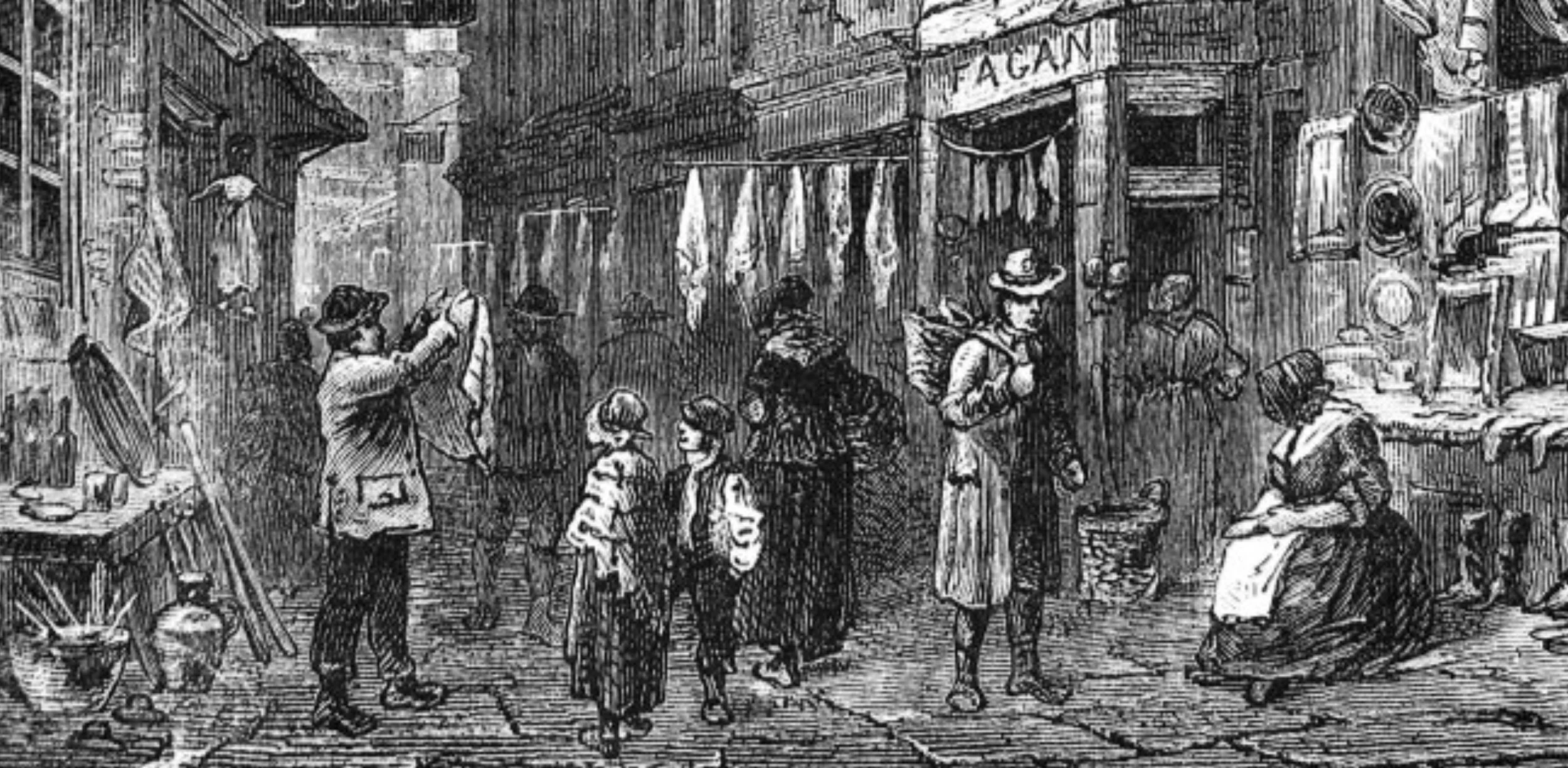
For Leeds Lit Fest 2026, I’ll be performing a show based on my collection about gay life in London in the Eighteenth Century. Or rather, Miss Bianca will—for it is she who will be your guide through the gay London subculture. Unusually for a molly, Miss Bianca will intersperse her lively descriptions of the molly world with poems.
By the 1720s, London’s population was expanding hugely, and the gay population expanded with it. For various reasons, these mollies (as gays were known) formed clubs to have a good time at—it made a change from cruising and cottaging (oh, yes; there’s nothing new under the sun). And 300 years ago this year, outraged self-appointed guardians of other people’s morality (there’s nothing new under the sun) raided a number of them, starting with the biggest, Mother Clap’s in Holborn.
Margaret Clap deserves a show of her own. She and forty of her customers were hauled off to prison, and three mollies (William Griffin, Thomas Wright, and Gabriel Lawrence—say their names aloud, and remember them) were hanged. Margaret Clap was sent to the pillory—an horrific punishment that almost certainly killed her. Say her name aloud too. So expect tragedy, yes—but expect laughter (you can be the first in 300 years to sing a reconstruction of one of the mollies’ songs) and the earliest-recorded gay slang and drag and marriage and love and gin. If you’re easily-offended, bring pearls to clutch.
Back in theTwenty-first Century, off we went to the Lake District for the celebratory reading of the 2025 International Book & Pamphlet Competition results. This was held at the Jerwood Centre at Wordsworth Grasmere, which of course includes Dove Cottage. Back in October, it was disappointing that a storm rained the original reading off; but this time everyone was able to be there, and be there in person. The judge of the competition, Kim Moore, presented the certificates, and joint runners-up Ilse Pedler and Sally Baker read alongside Annina Zheng-Hardy and myself.
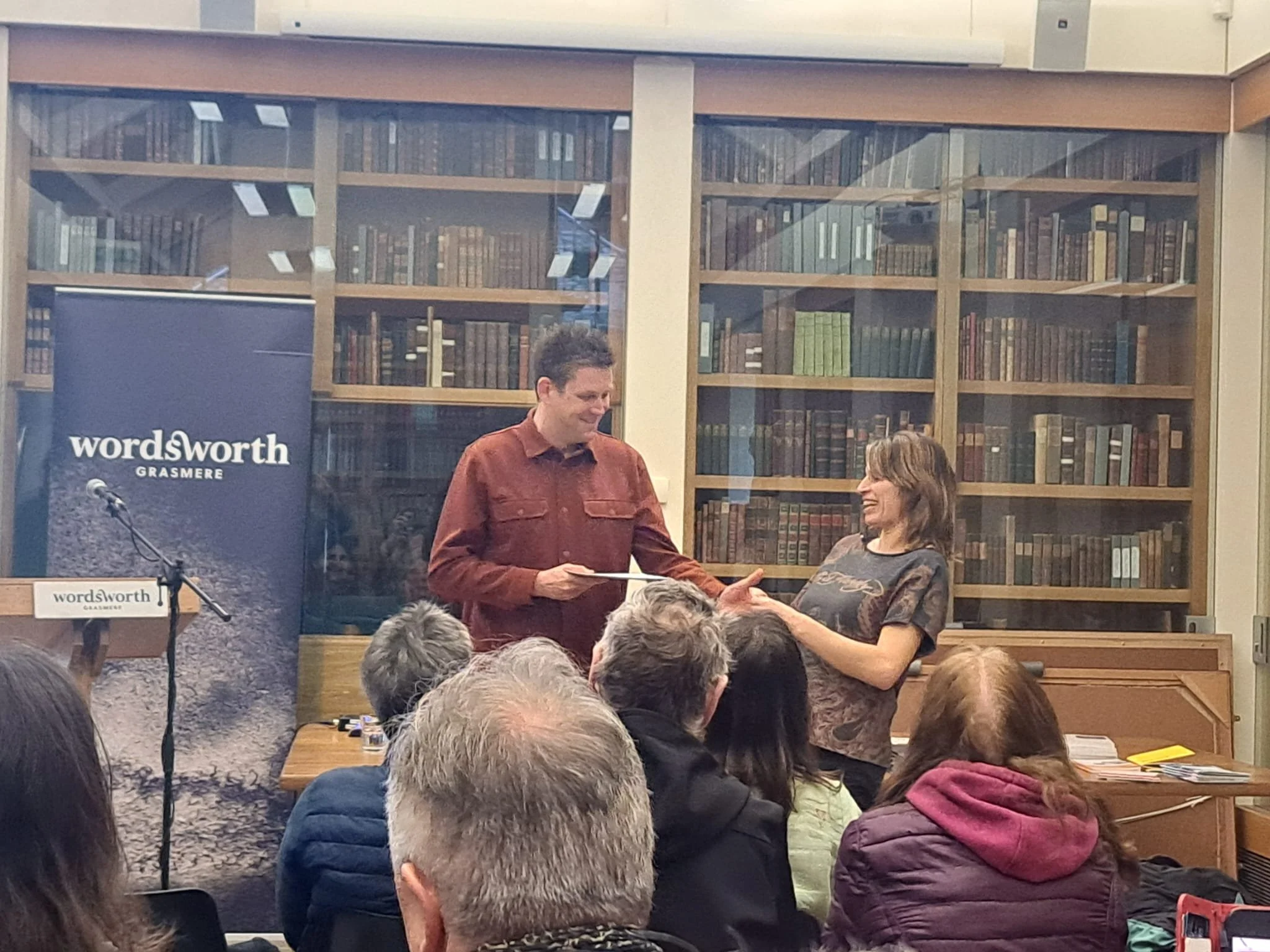
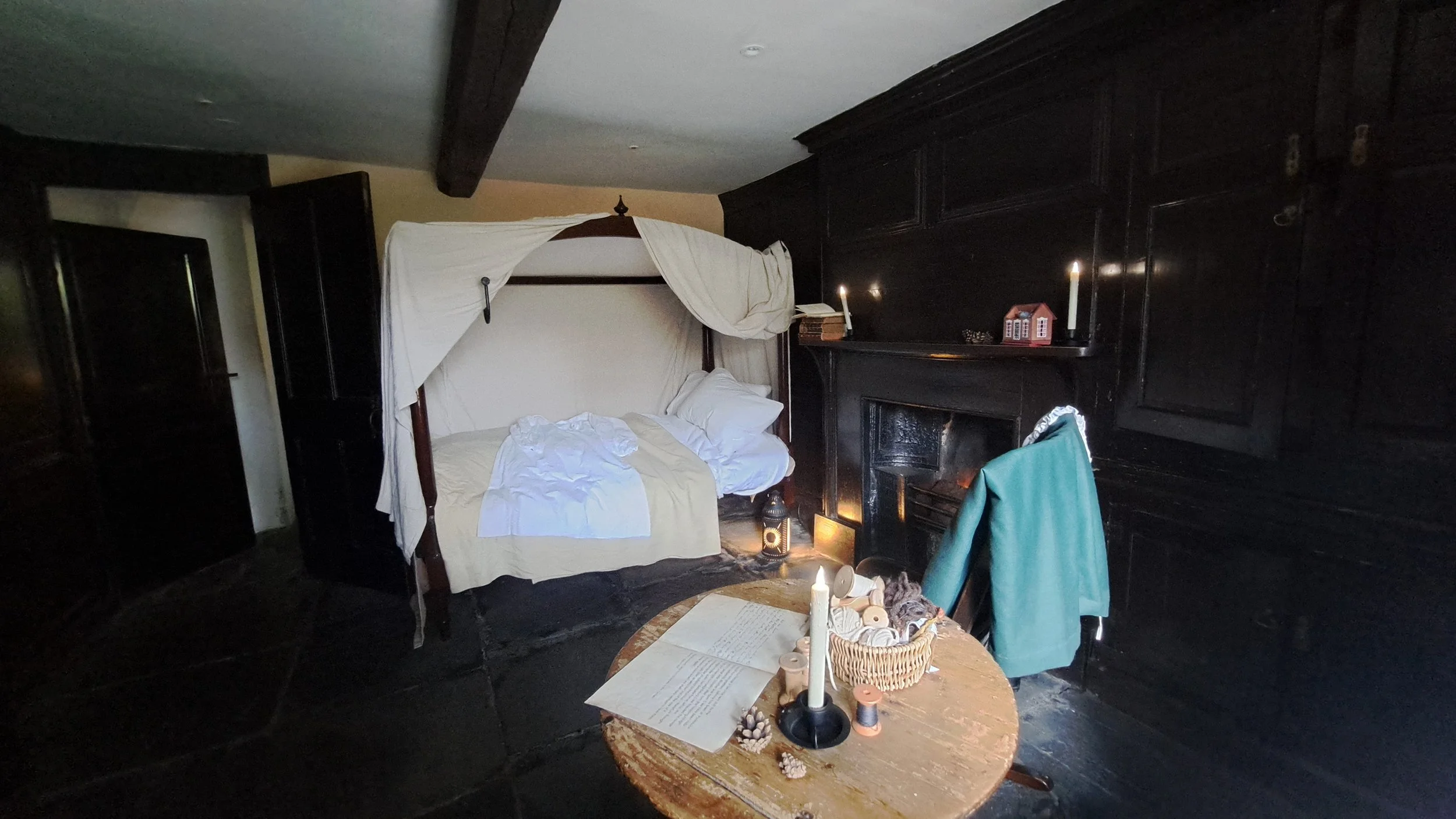
It was a lovely, and well-attended, reading—all the more so because we were in a room surrounded by historic books—including some from Wordsworth’s personal library. Hannah Catterall, the Events Officer, who arranged the reading, was then kind enough to take us on a tour of Dove Cottage. She explained that how the building is presented has changed in recent years, with the emphasis shifting from displaying Wordsworth-related material (more of a museum-like experience) to making the cottage more like it would have been when William and Dorothy and (it seems) a small army of other people alongside them lived there. I can see advantages in both, but personally I liked the restoration—you got a sense of what it must have been like to live there. I’m deeply grateful to everyone at Wordsworth Trust for their ongoing commitment both to poetry past and poetry present.
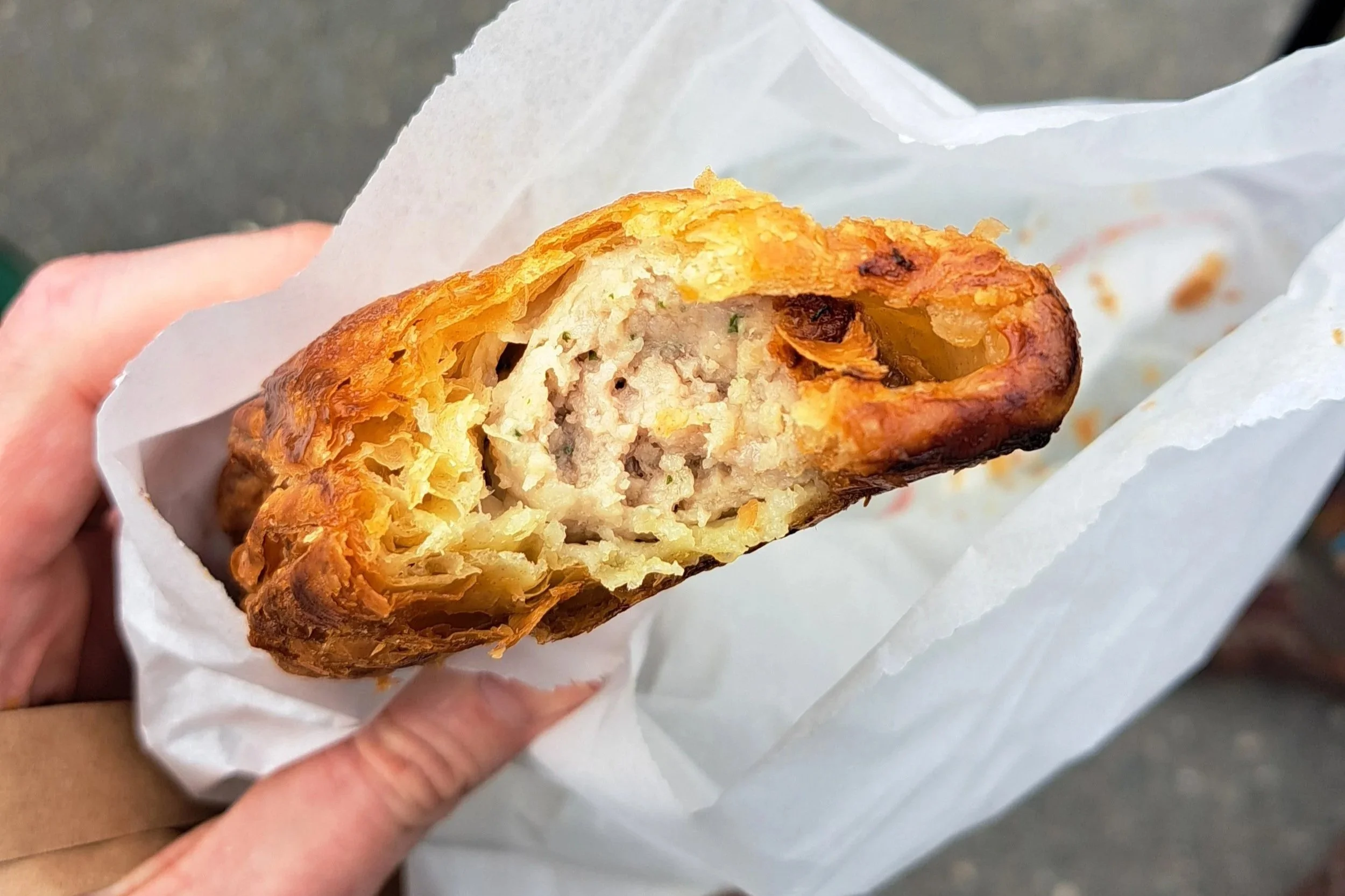
I need to digress here to take in another subject very close to my heart: sausage rolls. I’m one of those poets that doesn’t drive, and engineering works changed our trains into buses from Windermere to Preston, Lancs. At Oxenholme station, I happened upon Willan Food Hall of David Willan Quality Fresh Foods. I got a sausage roll, and (as I told the staff member outside who turned out to be the maker himself) it was a religious experience. I could go on at length, but suffice it to say that the David Willan sausage roll is everything a sausage roll should be, and was, before mass production. They do other wonders, too, and they ship.
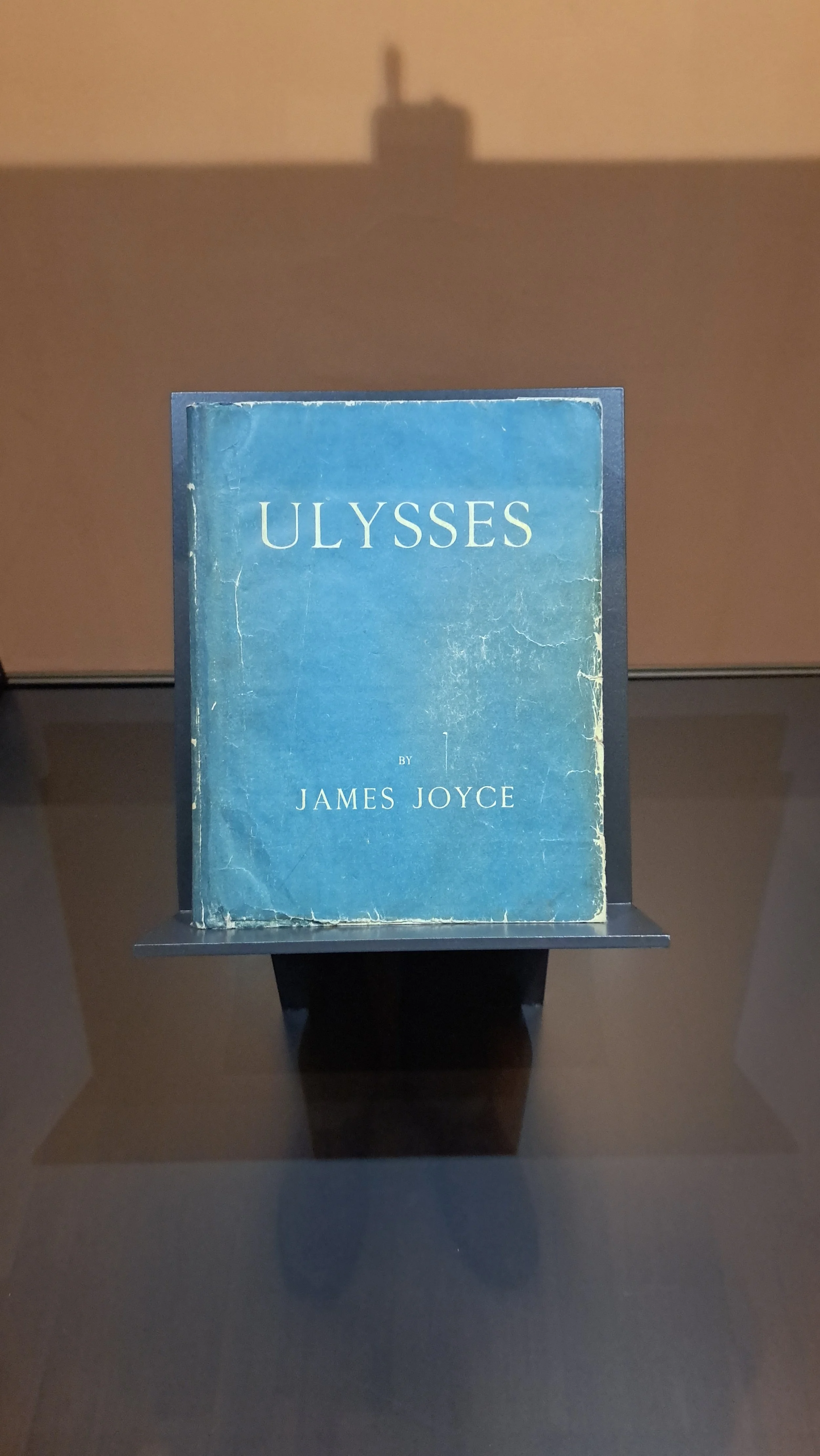
During a travel interlude, I took delivery of the third re-print of Gain Access, having sold out. The following morning, off I went to Dublin. I had a couple of nights there—nothing more than a taster. Highlights for me include going off to Sandymount (which has the Martello tower from the opening chapter of Ulysses and a Merrion Centre!); the Museum of Literature Ireland (MOLI); and the GPO museum.
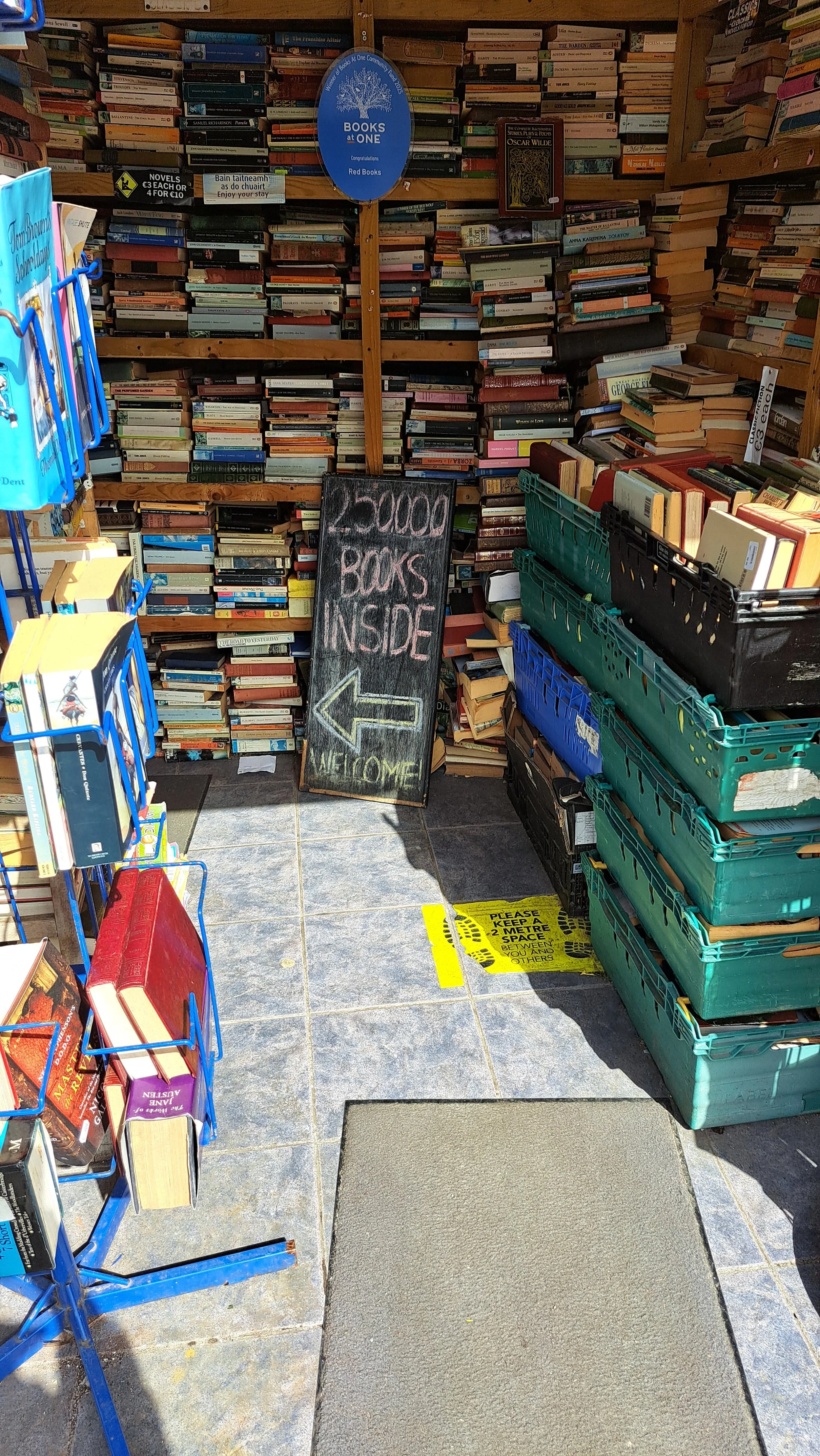
Then down to Wexford for my true destination, at the invitation of my dear friend Deirdre McGarry. I first met Deirdre in 2009 when she was running a wonderful retreat out at Flamborough. Deirdre lives in Wexford now, and she kindly arranged for me to be the guest poet at the regular OUTSPOKEN readings at Red Books and its sister shop in Eclectic Avenue, Wexford. Two hundred and fifty thousand books await you at Red Books. Go there. It’s Instagram is a laugh, too. I stocked up, and bricked it as I weighed my case in at the airport…
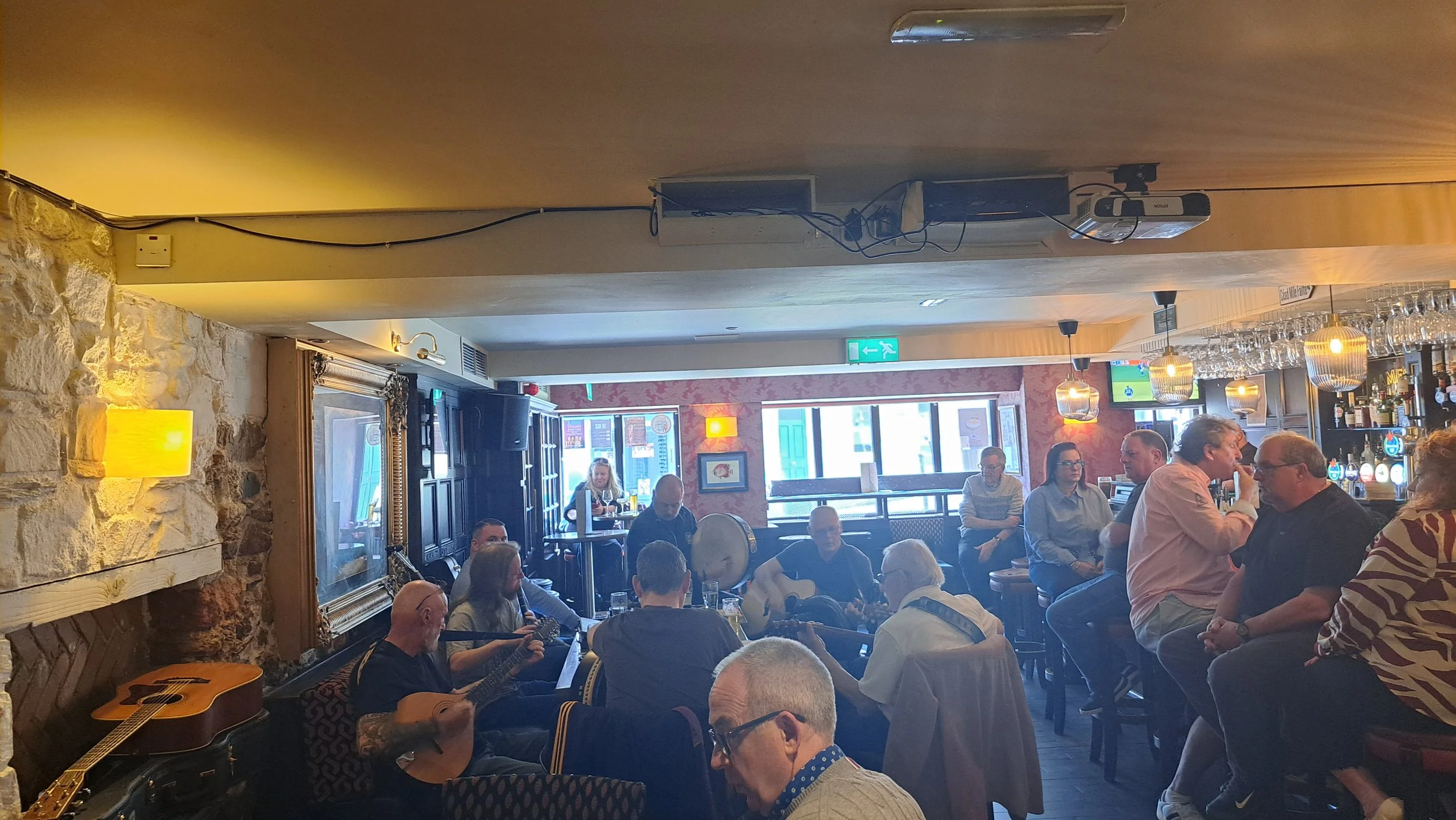
On Saturday, we supported Deirdre’s son as he ran in the Wexford 10k—cheering and waving is incredibly tiring, but I powered through the wall and went for a post-waving-and-cheering pint of Guinness, followed by a fantastic Sunday lunch in the Thomas Moore, complete with a seven-piece trad folk band, and more Guinness.
Back in Leeds, on Saturday I ran a workshop for the Leeds Writers Circle—the oldest and the best writers group in the country. I was a member between 2006 and 2020, and it sounds like it remains as excellent now as it was when I remember it. If you’re looking for a supportive group, look no further.
Then, before collapsing in a heap, I had my high school reunion. I hadn’t seen most of the people there—and there were about 150—for just over 25 years. Apart from catching up with fellow students, some of the teachers were there too. It was a privilege to be taught by them, and it was a privilege to shake them by the hand, to hug them, and to tell them (which is true) that they changed the course of my life.
The barman remarked that they sold more booze at our ‘do’ than at many of their wedding receptions, and I felt very proud to be from West Leeds.