June Blog

This monthly update continues to attract a good number of hits—so thank you for reading! Leeds Lit Fest is almost upon us. It’s the eighth LLF this year, run entirely by volunteers without any major external funding, so LLF needs your support! Please take a look at the events on the website—there are over fifty and many are low cost or PAYF. Printed programmes have also landed (as of the day of writing, 1st June) so look out for those, and please help spread the word. 

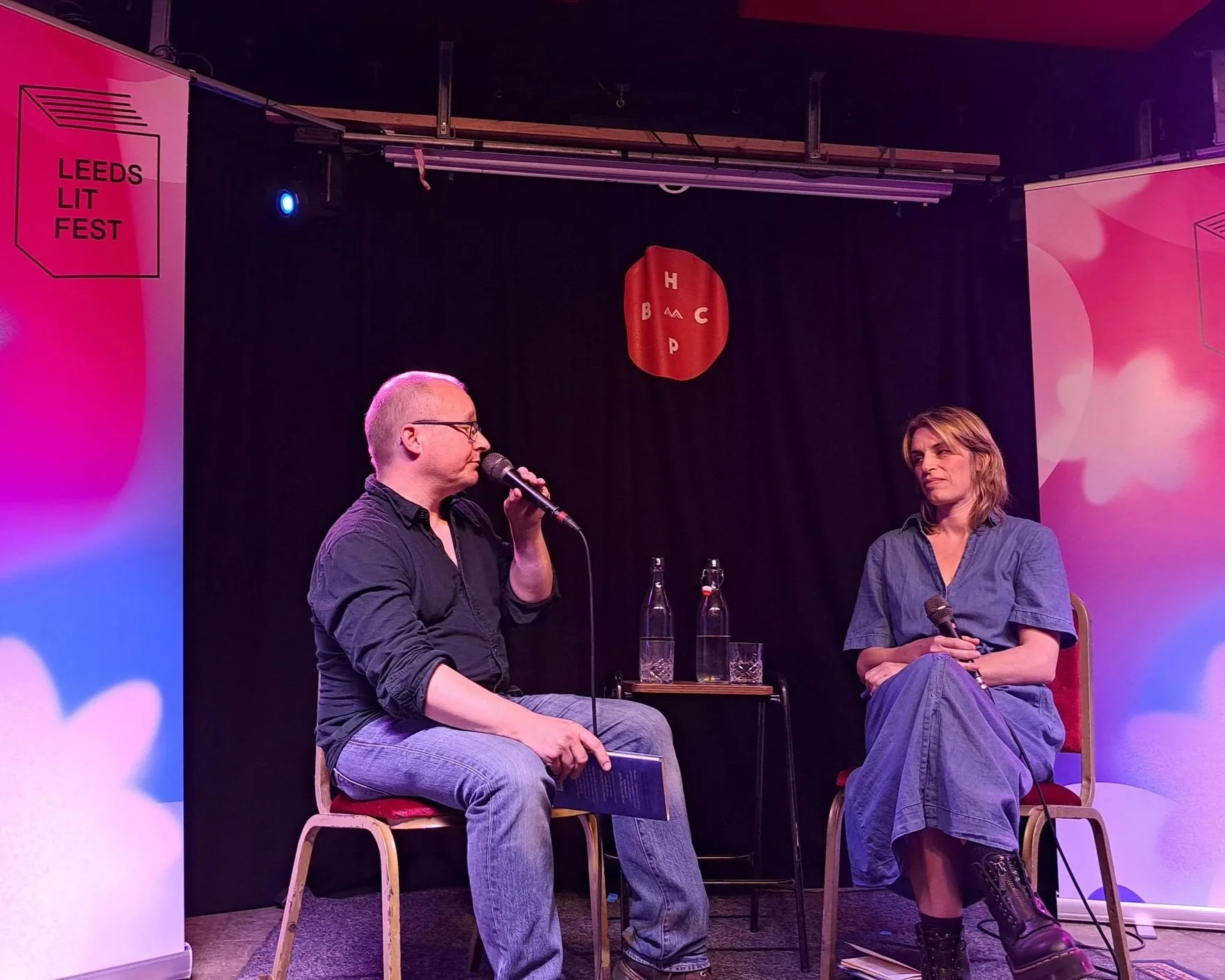
As part of LLF this year, on Saturday 13th June at 2pm at the Leeds Library, I am giving a unique poetry performance. Or rather, Miss Bianca is: a series of poems exploring the remarkable history of gay life in London in the Eighteenth Century. Come and learn about the subculture: the slang, the secret ‘molly’ names, the danger…the gin. 

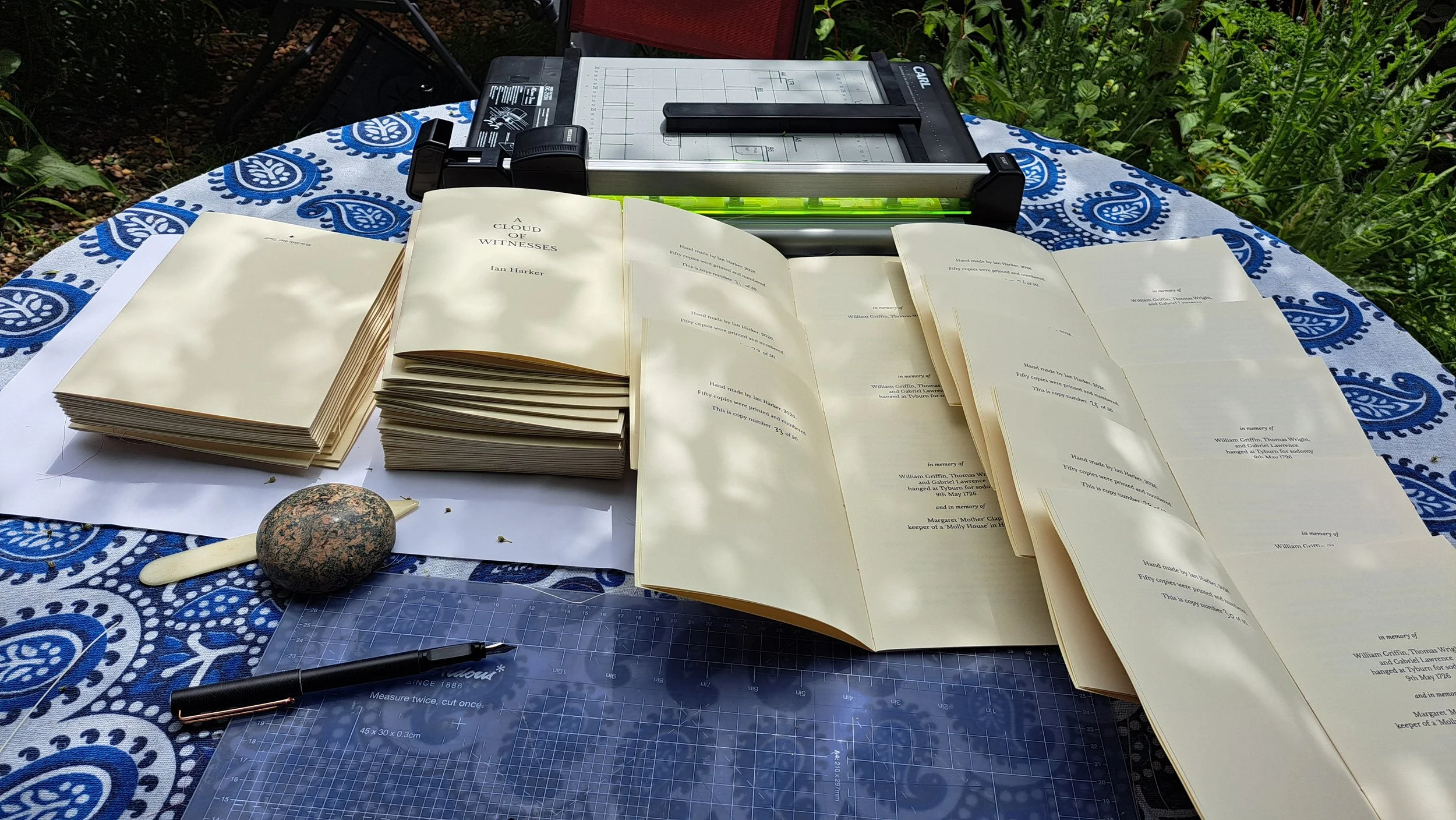
I have also made some pamphlets, which will launch at the performance, of a poem sequence I wrote a couple of years ago, about molly life. If you can’t make the performance, copies of this hand-made, limited-edition (fifty copies) pamphlet will be available from my website on 14th June.

Some wonderful news came last month with the announcement of the winners and runners-up of the 2026 Poetry Business Book & Pamphlet Competition, judge once again by Kim Moore (who you can also hear at Leeds Lit Fest!). My good friend Tom Weir co-won the competition with his pamphlet ‘Negativity Bias’. I’m completely delighted for Tom—look out for ‘Negativity Bias’ this coming October. Congratulations to co-winner Derval Tubridy for her pamphlet ‘I Will Say That’; runners-up Ellie Grant and David Hale; and Highly Commended poets Susannah Hart and Paul Stephenson. 

Can it really be ten years since the first Poetry at the Parsonage? Well, it turns out it is, and in honour of the decade since, Mark and Gill Connors of Yaffle Press are hosting an equally if not more ambitious Poetry at the Old School Rooms on Saturday 11th July & Sunday 12th July. Tickets will be available from the Yaffle Website.

I have readings coming up later in the year - follow the blog for links when events are announced. Confirmed so far are Grand Plans in Linthwaite; Poetry at the Parsonage; Beehive Poets; Poetry at the Dusty Miller; and Soul Shed.

If I learned one lesson in Dublin (apart from don’t even think about trying to order food around Temple Bar unless you’re independently wealthy or on work expenses) it is: if you see an amazing book in a shop and you will only have one chance to own that book: buy it. On my first night in Dublin, I saw a copy of ‘Endsville’ by Paul Durcan in Hodges Figgis. First edition. Only edition. Signed by Paul and by Brian Lynch—it was a double pamphlet featuring both their work—durcan’s first. I didn’t buy it then and there, but I couldn’t stop thinking about it. So, back in Leeds, I phoned Hodges & Figgis and crossed all the digits I had. ‘Endsville’ was still on the shelf, and the very kind and helpful bookseller arranged to post it to me.

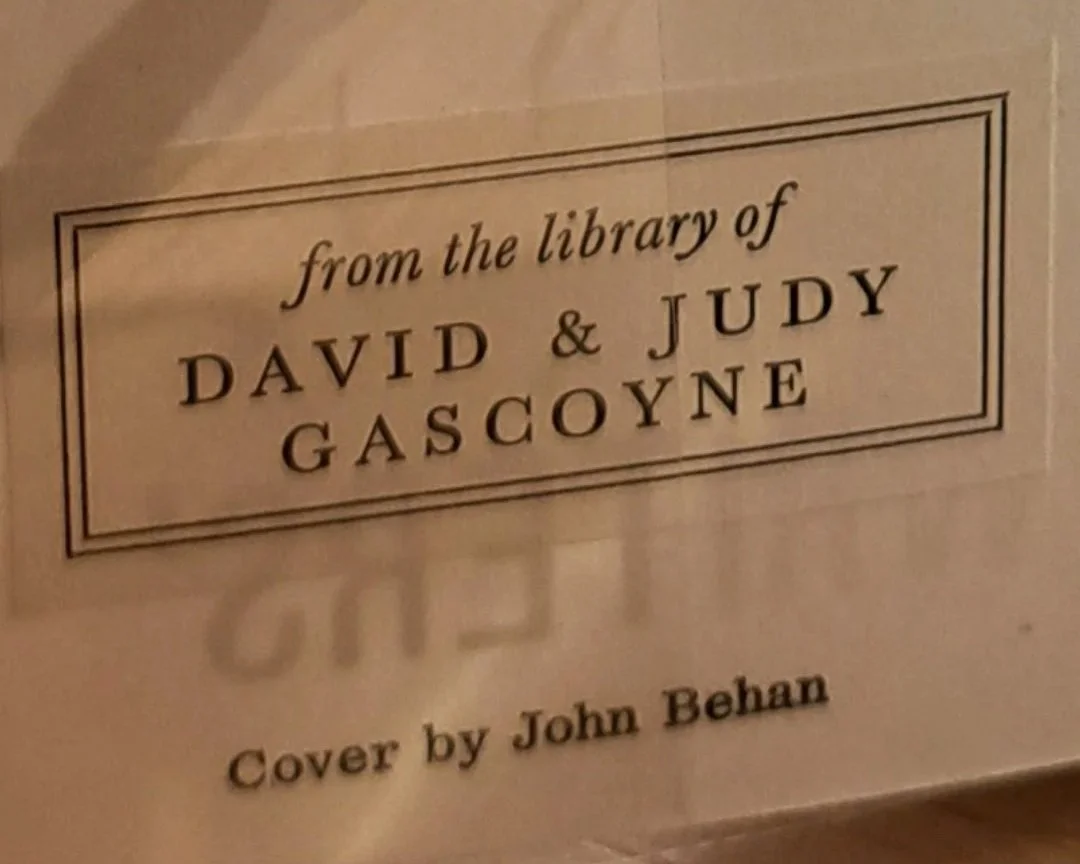
The book came with a second history: a label on it, from the library of previous owners.

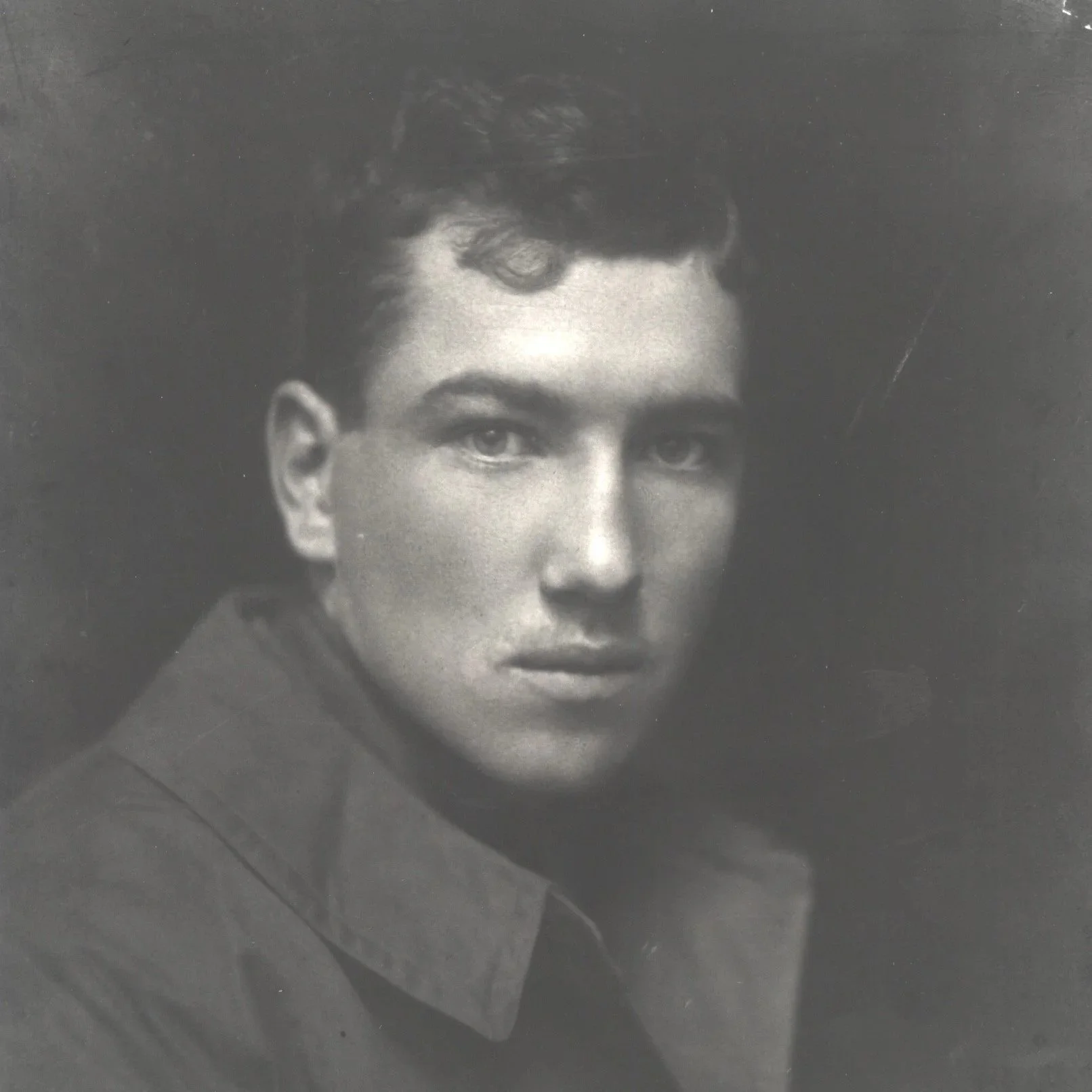
I hadn’t heard of David Gascoyne. He was a surrealist poet (born 1916) who knew Dylan Thomas, Kathleen Raine, Lawrence Durrell, Henry Miller, among others. Sadly, he suffered from mental ill-health, and was sporadically admitted to mental health facilities.

It was in one such facility where David and Judy met. Judy was volunteering running a poetry group.

"You didn't know who anybody was, but I did notice a very sad, tall man who always sat next to me. One afternoon, instead of the very well-known poems I usually read from my Oxford Book of English Verse, I turned to a more recent poem that had always intrigued me called 'September Sun'. I said: 'This afternoon we're going to read a poem by David Gascoyne. It's quite complex so I'll read it slowly and then we'll see if we can understand what it means.' The tall, sad-looking man touched me on the arm and said quietly, 'I wrote that poem. I'm David Gascoyne.' I said, 'I'm sure you are, dear.' I didn't believe him for a moment. Some of them do have delusions of grandeur, you see. But he insisted: 'I wrote that poem.' I was nonplussed, so I just went on and read it. At the tea break, I asked him, 'Are you really David Gascoyne the poet?' and he said, 'Of course I am,' and signed his name under the poem. I've kept it to this day." To read the full interview with Judy, click here. And to read a poem sequence I wrote in memory of Durcan, head to my Instagram account.

May blog

Nearly 100 of you landed on the blog last month—maybe you even read it, or some of it—thank you! I’ve been a bit quiet on anti-social media these last few weeks—I’m happy to say I’ve been busy, and will fill you in, after a shout out to Leeds Lit Fest…

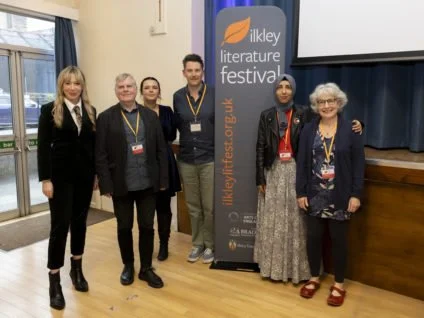
I’ve been involved with Leeds Lit Fest since the summer of 2020. It’s a volunteer-led festival, and LLF number 8 is happening between Saturday 6th and Sunday 14th June. That’s a link to their programme—please do take a look: there are loads of free and low-cost events. The festival doesn’t get any major funding, so everything depends on the volunteers who spend months every year getting the festival together—and on the people who book tickets to see things, spread the word, come to fundraisers, chip in a few quid if they can. And that’s where you come in. Once again this year, LLF ran an open call for proposals, and this I think is what makes LLF distinctive: the focus on celebrating the tireless work by passionate people on making literature projects (in all their forms) happen day in, day out in West Yorkshire. So do please support LLF in any way you can.

Relatedly, I submitted a proposal to LLF myself this year. For some time now, I’ve been working on a collection of poems about gay life in London in the early Eighteenth Century—a creative response to the historical archive. I must give a courtly bow at this point to the work of historian Rictor Norton, whose book Mother Clap’s Molly House (first published in 1992) has inspired not only a raft of subsequent historical research, but also creative responses ranging from a musical play to a boardgame to a page-turning novel. What Rictor uncovered is as extraordinary as our debt to him and his work—and his research into surviving evidence of gay lives (yes, that word is an anachronism, but we haven’t got all day, so…) is ongoing. His 1992 book is out of print (may someone re-print it!) but he continues to add material to his website, from both the Eighteenth and Nineteenth centuries, and I heartily recommend you head over there and dive in. 

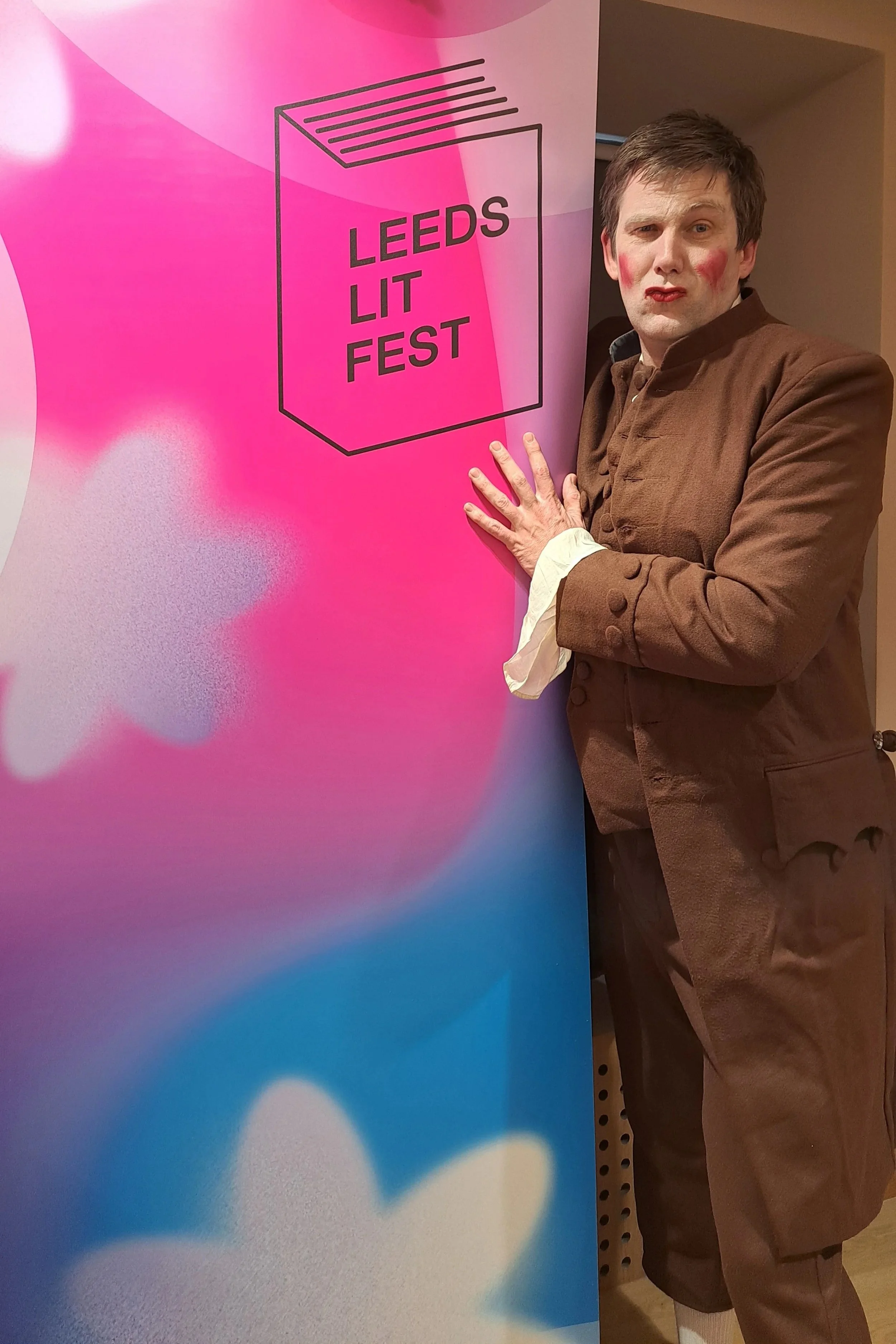
For Leeds Lit Fest 2026, I’ll be performing a show based on my collection about gay life in London in the Eighteenth Century. Or rather, Miss Bianca will—for it is she who will be your guide through the gay London subculture. Unusually for a molly, Miss Bianca will intersperse her lively descriptions of the molly world with poems. 

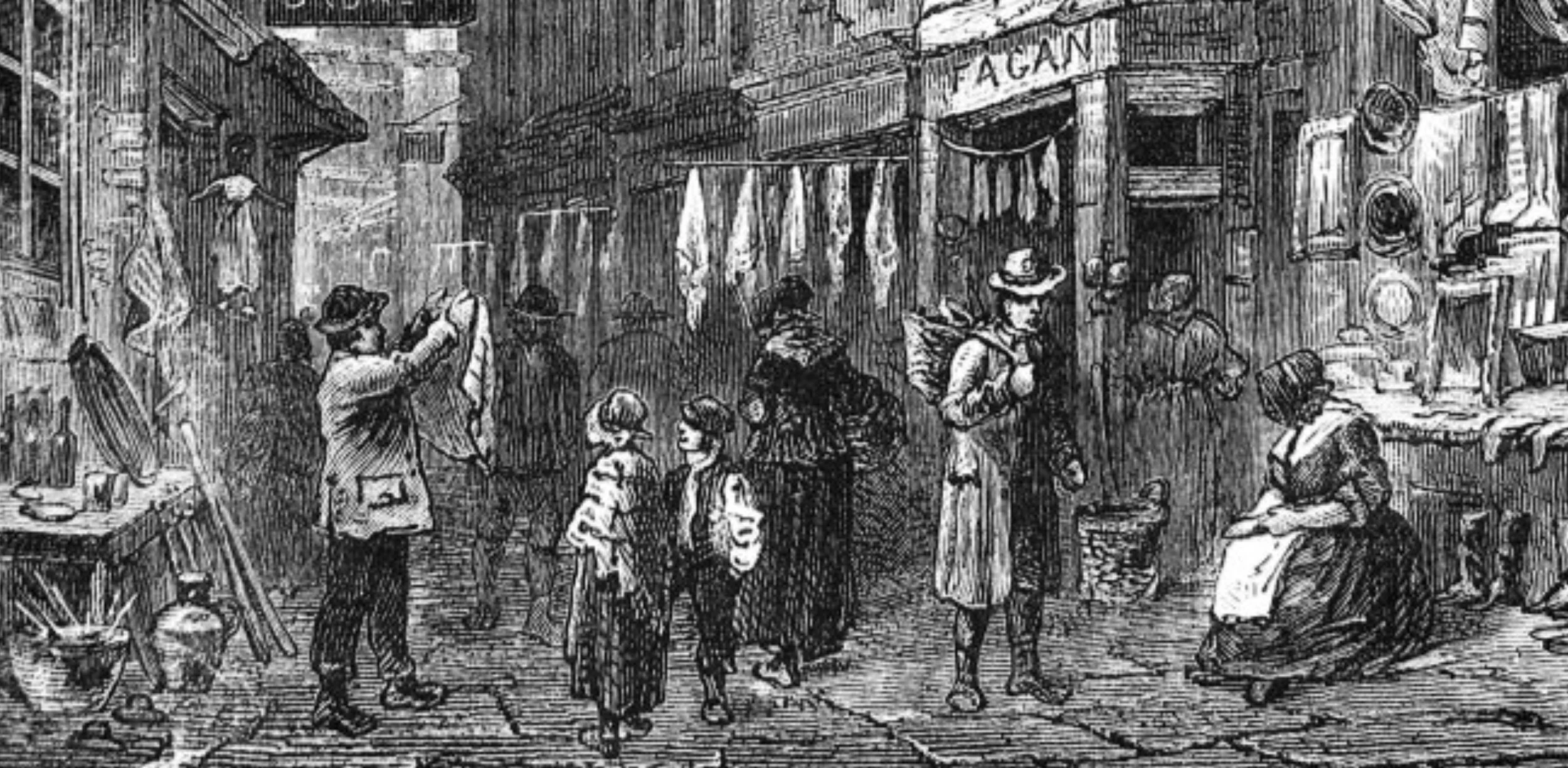
By the 1720s, London’s population was expanding hugely, and the gay population expanded with it. For various reasons, these mollies (as gays were known) formed clubs to have a good time at—it made a change from cruising and cottaging (oh, yes; there’s nothing new under the sun). And 300 years ago this year, outraged self-appointed guardians of other people’s morality (there’s nothing new under the sun) raided a number of them, starting with the biggest, Mother Clap’s in Holborn. 

Margaret Clap deserves a show of her own. She and forty of her customers were hauled off to prison, and three mollies (William Griffin, Thomas Wright, and Gabriel Lawrence—say their names aloud, and remember them) were hanged. Margaret Clap was sent to the pillory—an horrific punishment that almost certainly killed her. Say her name aloud too. So expect tragedy, yes—but expect laughter (you can be the first in 300 years to sing a reconstruction of one of the mollies’ songs) and the earliest-recorded gay slang and drag and marriage and love and gin. If you’re easily-offended, bring pearls to clutch.

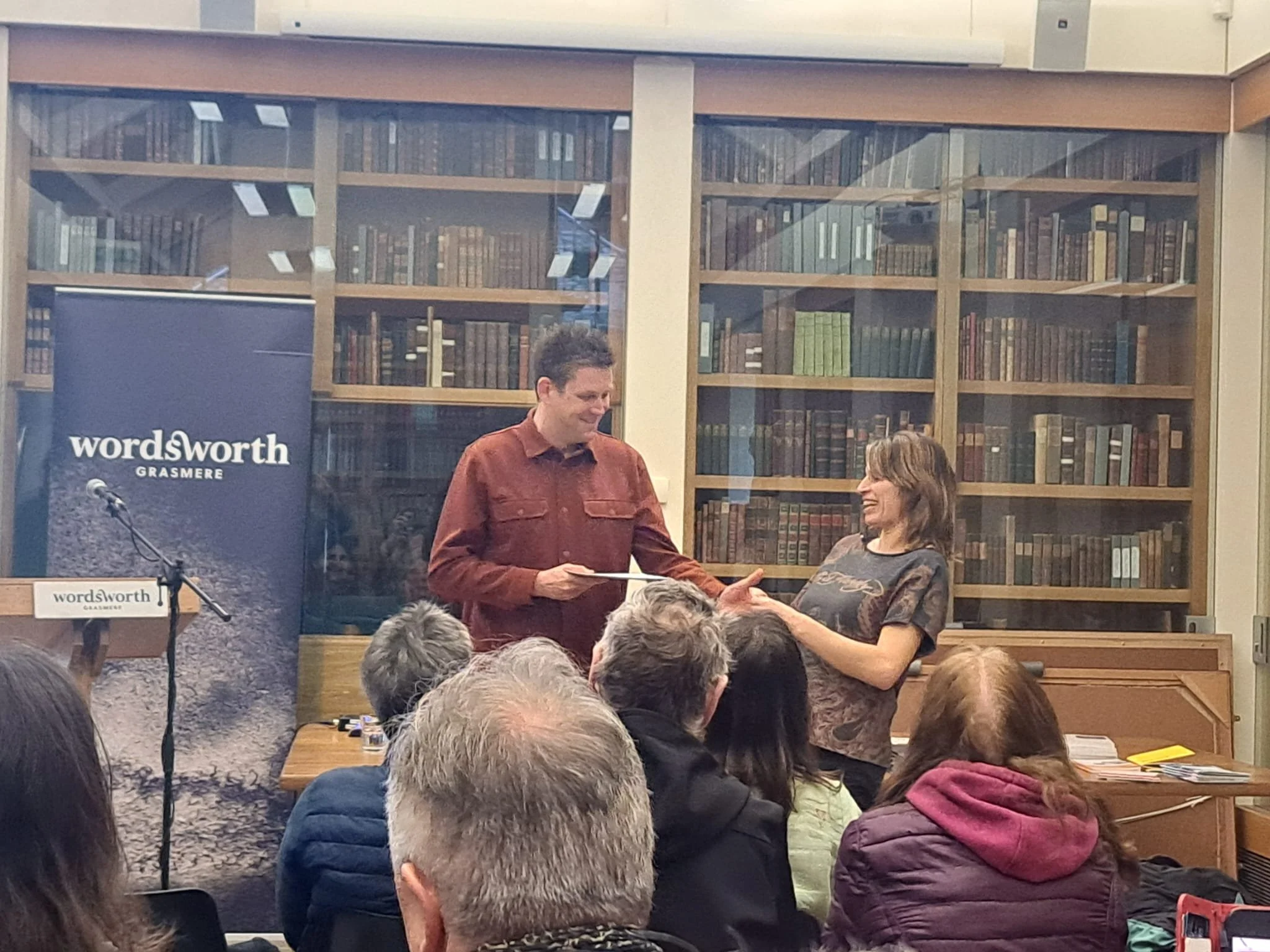
Back in theTwenty-first Century, off we went to the Lake District for the celebratory reading of the 2025 International Book & Pamphlet Competition results. This was held at the Jerwood Centre at Wordsworth Grasmere, which of course includes Dove Cottage. Back in October, it was disappointing that a storm rained the original reading off; but this time everyone was able to be there, and be there in person. The judge of the competition, Kim Moore, presented the certificates, and joint runners-up Ilse Pedler and Sally Baker read alongside Annina Zheng-Hardy and myself. 

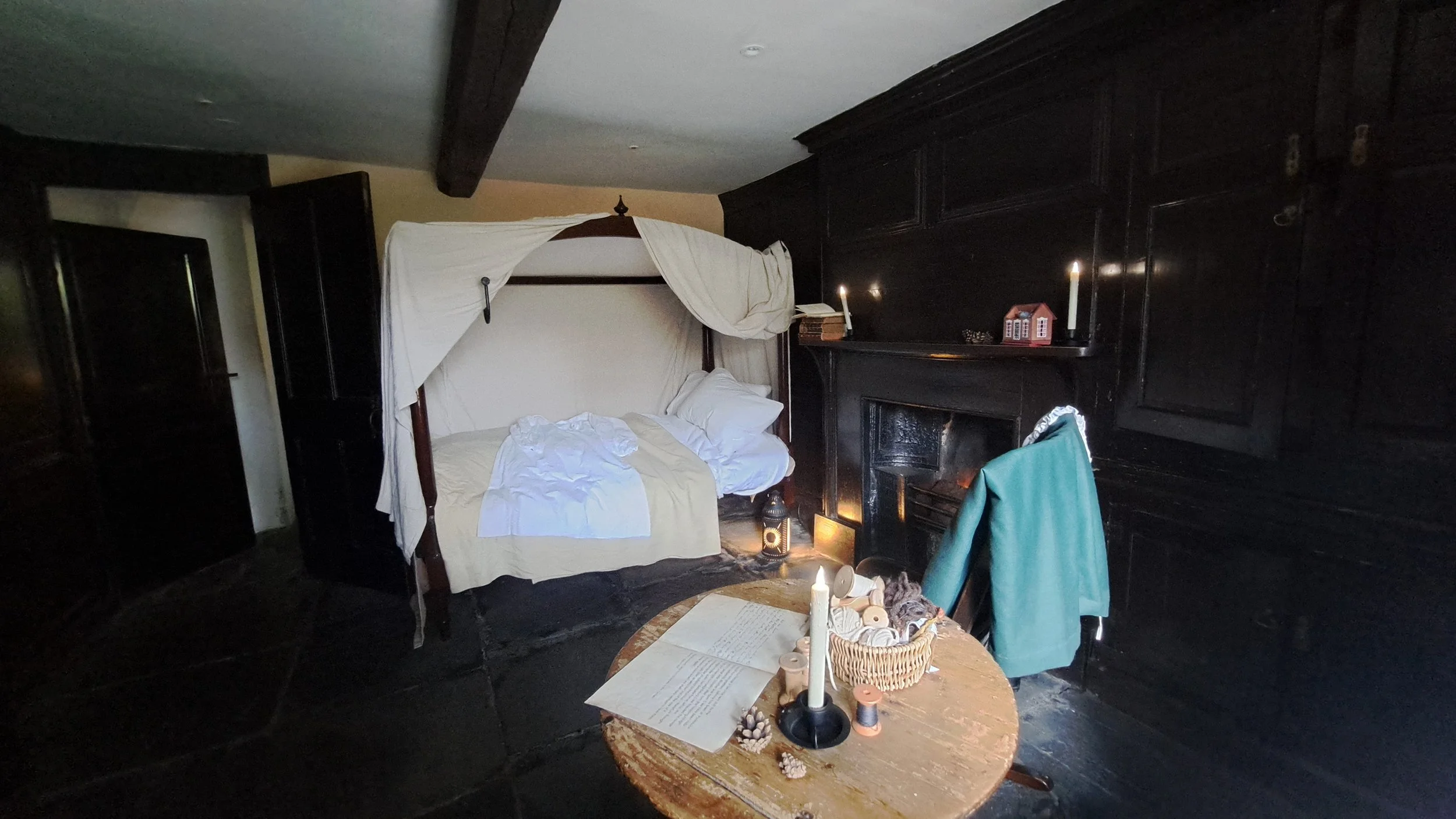
It was a lovely, and well-attended, reading—all the more so because we were in a room surrounded by historic books—including some from Wordsworth’s personal library. Hannah Catterall, the Events Officer, who arranged the reading, was then kind enough to take us on a tour of Dove Cottage. She explained that how the building is presented has changed in recent years, with the emphasis shifting from displaying Wordsworth-related material (more of a museum-like experience) to making the cottage more like it would have been when William and Dorothy and (it seems) a small army of other people alongside them lived there. I can see advantages in both, but personally I liked the restoration—you got a sense of what it must have been like to live there. I’m deeply grateful to everyone at Wordsworth Trust for their ongoing commitment both to poetry past and poetry present.

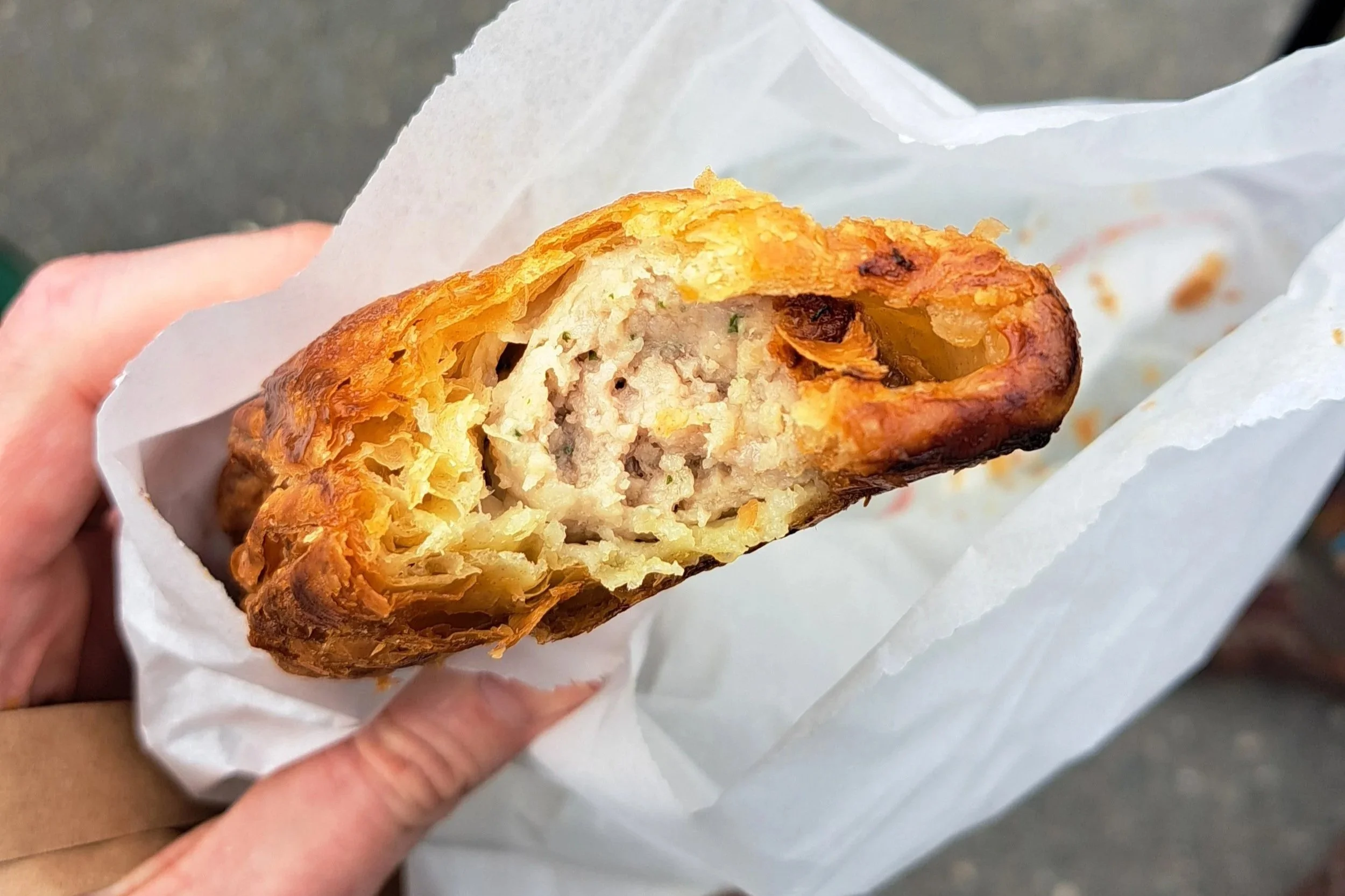
I need to digress here to take in another subject very close to my heart: sausage rolls. I’m one of those poets that doesn’t drive, and engineering works changed our trains into buses from Windermere to Preston, Lancs. At Oxenholme station, I happened upon Willan Food Hall of David Willan Quality Fresh Foods. I got a sausage roll, and (as I told the staff member outside who turned out to be the maker himself) it was a religious experience. I could go on at length, but suffice it to say that the David Willan sausage roll is everything a sausage roll should be, and was, before mass production. They do other wonders, too, and they ship.

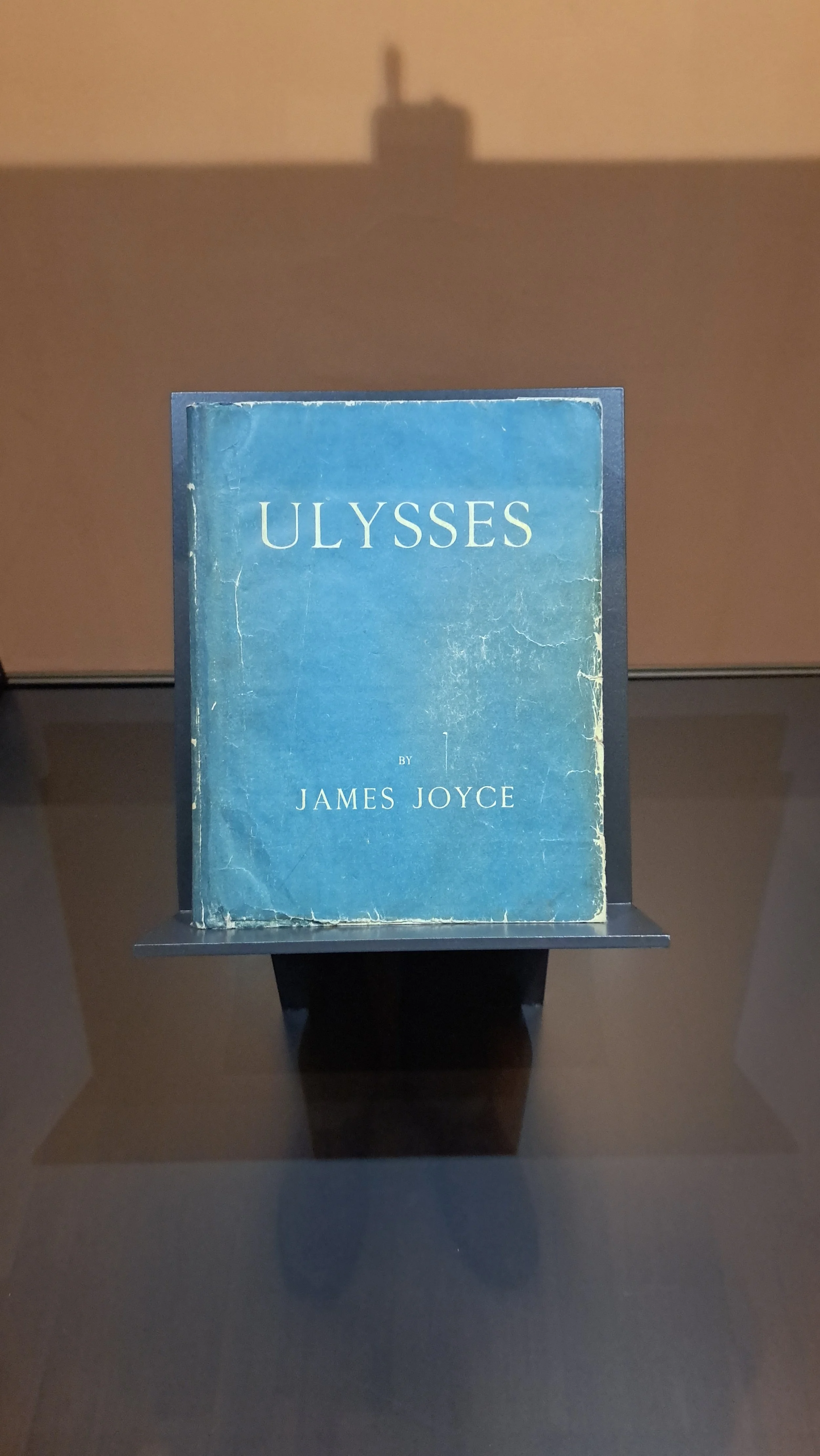
During a travel interlude, I took delivery of the third re-print of Gain Access, having sold out. The following morning, off I went to Dublin. I had a couple of nights there—nothing more than a taster. Highlights for me include going off to Sandymount (which has the Martello tower from the opening chapter of Ulysses and a Merrion Centre!); the Museum of Literature Ireland (MOLI); and the GPO museum. 

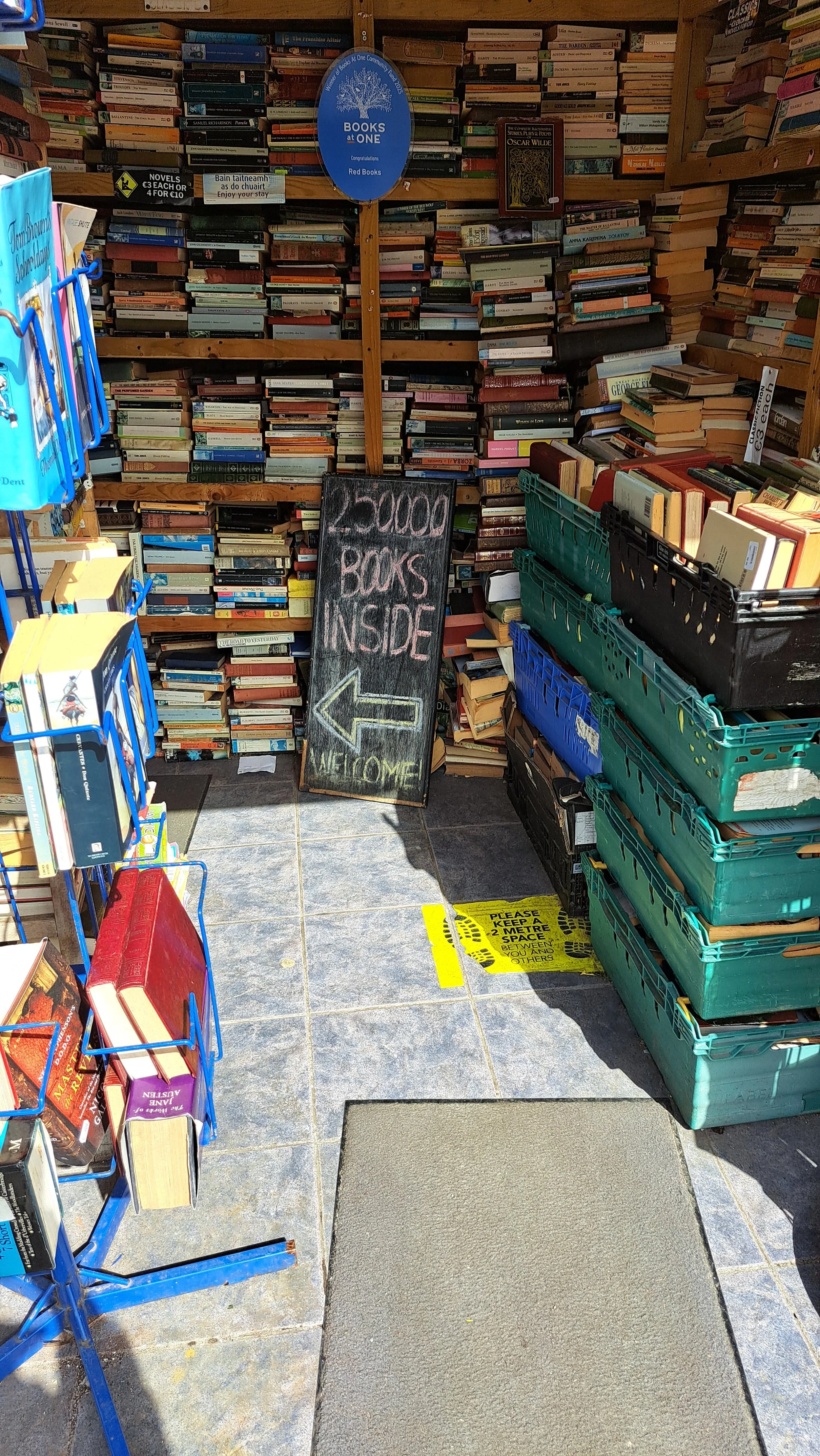
Then down to Wexford for my true destination, at the invitation of my dear friend Deirdre McGarry. I first met Deirdre in 2009 when she was running a wonderful retreat out at Flamborough. Deirdre lives in Wexford now, and she kindly arranged for me to be the guest poet at the regular OUTSPOKEN readings at Red Books and its sister shop in Eclectic Avenue, Wexford. Two hundred and fifty thousand books await you at Red Books. Go there. It’s Instagram is a laugh, too. I stocked up, and bricked it as I weighed my case in at the airport…

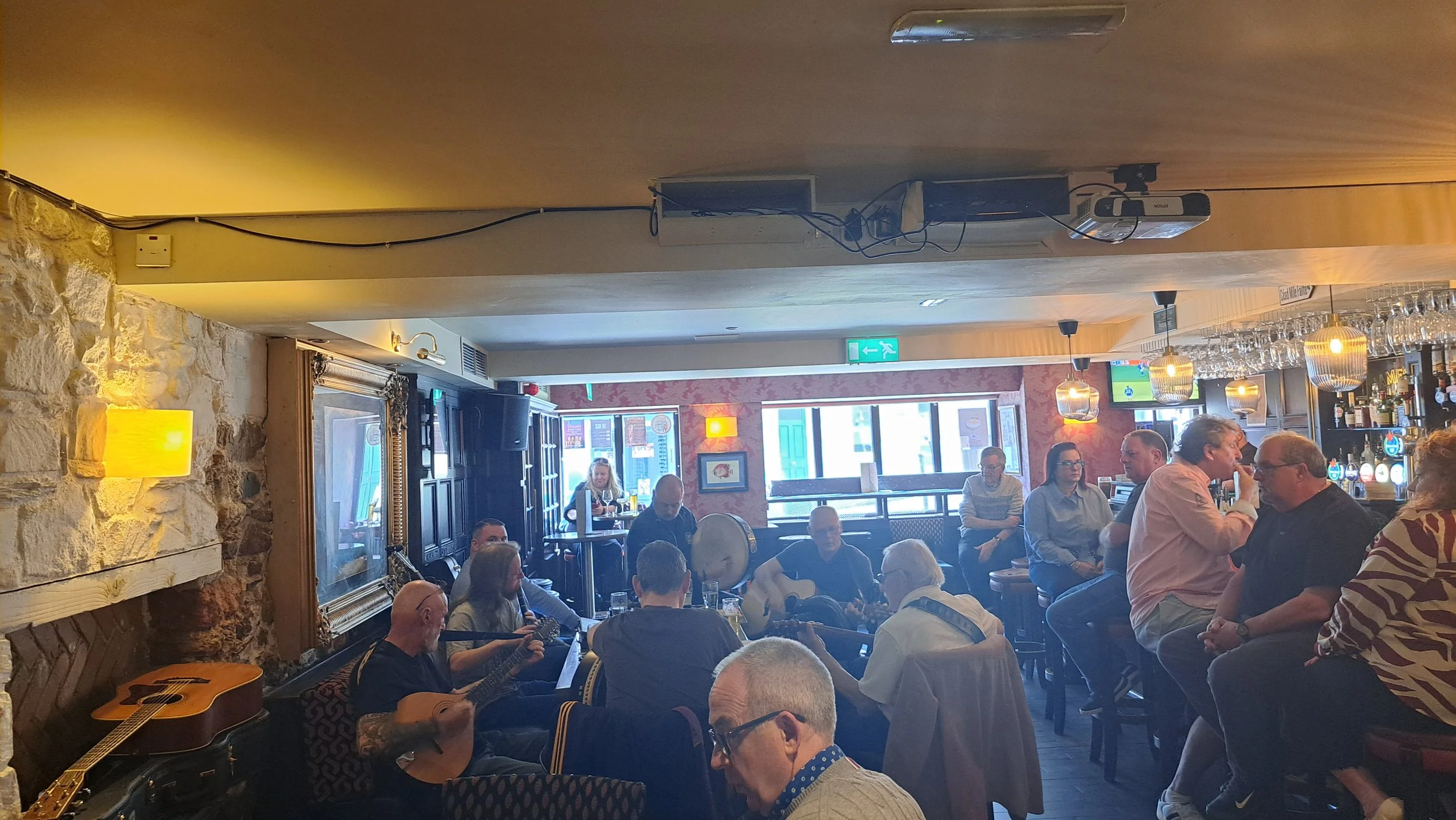
On Saturday, we supported Deirdre’s son as he ran in the Wexford 10k—cheering and waving is incredibly tiring, but I powered through the wall and went for a post-waving-and-cheering pint of Guinness, followed by a fantastic Sunday lunch in the Thomas Moore, complete with a seven-piece trad folk band, and more Guinness. 

Back in Leeds, on Saturday I ran a workshop for the Leeds Writers Circle—the oldest and the best writers group in the country. I was a member between 2006 and 2020, and it sounds like it remains as excellent now as it was when I remember it. If you’re looking for a supportive group, look no further.

Then, before collapsing in a heap, I had my high school reunion. I hadn’t seen most of the people there—and there were about 150—for just over 25 years. Apart from catching up with fellow students, some of the teachers were there too. It was a privilege to be taught by them, and it was a privilege to shake them by the hand, to hug them, and to tell them (which is true) that they changed the course of my life.

The barman remarked that they sold more booze at our ‘do’ than at many of their wedding receptions, and I felt very proud to be from West Leeds.

April Blog

The Poetry Business Book & Pamphlet Competition Winners’ launch at Wordsworth Grasmere is a week on Saturday (11th April 2026), and I’ve just sold out of my last of the second re-print of ‘Gain Access’. The Poetry Business is pretty much out, too, so this will be the book’s third re-print. I’ve ordered another 100 copies for readings I’ve got coming up in Wexford, Wakefield, and into the summer. The response to the pamphlet has been fantastic, and I’m really looking forward to reading from it over the coming weeks.

Are you a poet living in the North of England? Word Up North, who bring us Ilkley Lit fest, have opened applications for their 2026 New Northern Poets. The scheme is wonderful - like being a poet in residence at a festival, but with a group of other poets. You work with a mentor, and alongside being commissioned to write new work, there are profile-building opportunities, networking, and workshops! The deadline is 30th April 2026, and the application process is accessible, with a sample of poems and a covering letter all you need to put yourself forward. Full information on the link.

The New Northern Poets 2024

Competitions, eh? Every so often, a competition winner seems to stir debate online, and the most recent example is the National Poetry Competition 2025, specifically its winner Partridge Boswell with the poem ‘The Gathering’. (You can read Partridge’s poem, along with the other placed poems and more besides, on the Poetry Society’s website.) 

Robert Graves

My friend Anna was fond of quoting (or so she said) Robert Graves - a poetry hero of mine - in saying that a poem should make prose sense. I haven’t been able to find that reference, but Anna read more books in her 97 years (and remembered more about them) than I ever shall, so I trust her attribution. I’m not sure I agree with it, though, or not entirely. Some poems must make prose sense, if those are the poems you like to read and like to write. Plenty don’t, and are all the better for it.

One of the purposes of competitions is to stimulate debate of precisely the kind that’s happened after the announcement of the results of the most recent National. One of the qualities I like about a poem is when there is a generosity to a poem that seems to convey a like and a respect of the person who is, notionally at least, reading it. If a poem is ‘difficult’, it can come across as too clever by half. Certainly, there are parts of Partridge’s poem I can’t yet (at any rate) explain. Take this line, for instance: “You whistle a living / wake as tacit prayer gestates to hunger-strike.” 

I’ve not come back to plenty of poems because I thought it was…well…too clever by half. But there’s something about ‘The Gathering’ that communicated to me a generosity that made me well-disposed to the poem, and made me want to read it again and again; and I’ll continue to do so. However not-immediately-obvious a poem may be (I hesitate to use the word ‘obscure’), that quality, however the writer gets it across (something to do with the voice and the tone), can take you a long way. And with so much tripe served up for us that’s designed to be understood and then forgotten in 13 seconds, another of the things poems can do for us is to make our brains work. As long as they inspire us to the work, and ‘The Gathering’ inspired me. Congratulations to all the winners, shortlitees and longlistees, and well done to the judges for reading (let alone choosing from) over 21,000 entries.

March blog

How did you get into your passion? Mine's poetry, but it wasn't always the obvious choice. I was into drama as a teenager, and if I wrote anything (apart from the turn-your-toes-round-90-degrees poem of the “He is so beautiful but he doesn’t even know I exist” variety) then it was a script. Apart from a novel I started when I was fourteen, conceived as the story of a Northern family from 1900 to 2000, (“But Master Cookson, it’s 1911, and there could be a war in three years”) but the least said about that, and the poems about straight crushes, the better. 

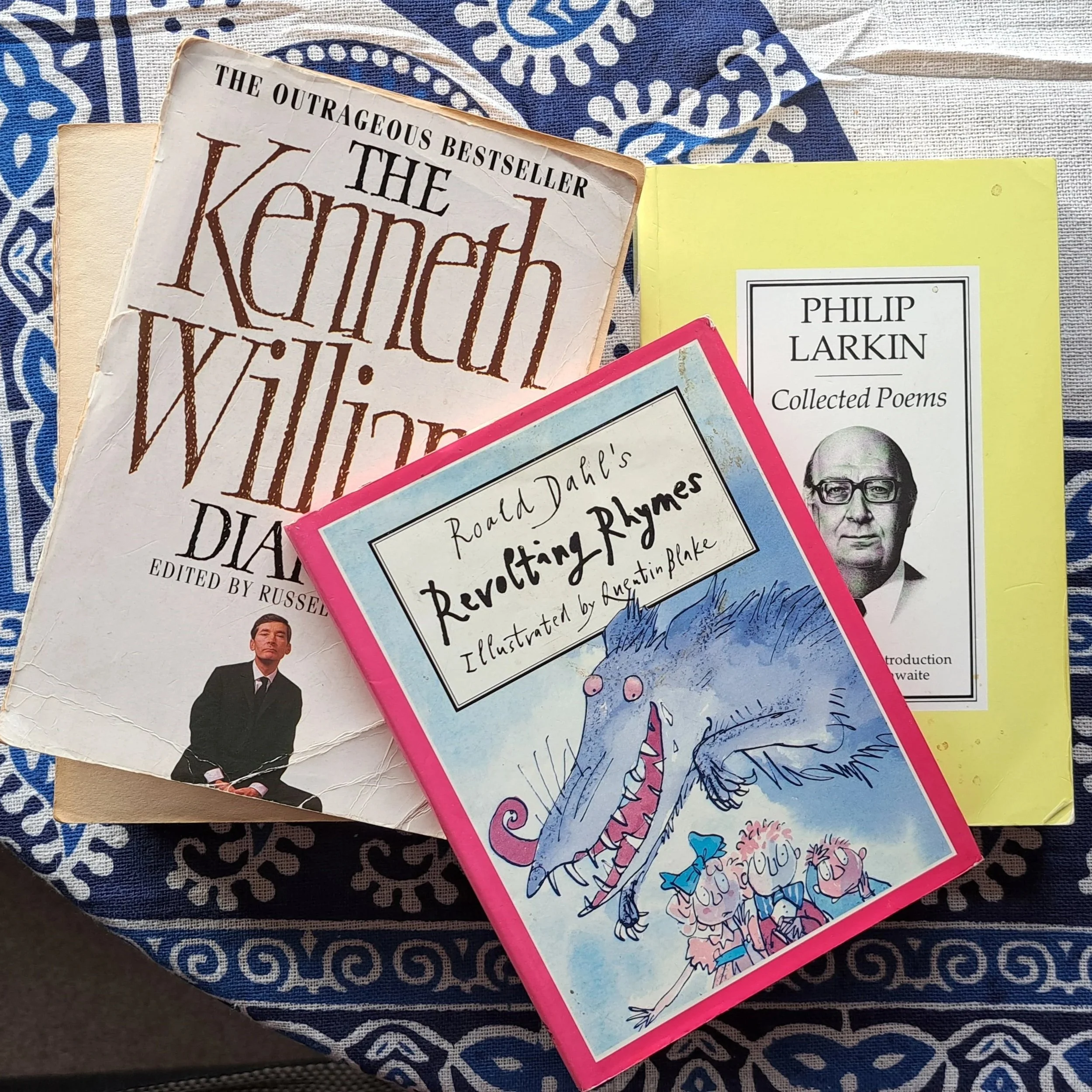
I vividly remember our teacher in primary school (bless you, bless you, bless you Miss Turpin) reading us Roald Dahl's ‘Revolting Rhymes’ on World Book Day 1995. I bought an anthology of First World War poems when I was fifteen. Apart from that, I was all about the drama. 

Drama took me to Joe Orton (I asked for his diaries for my seventeenth birthday; why I ever had to go to the trouble of coming out is beyond me) and Joe Orton's diaries (“When you are old you will regret not having fun with your genital organs”) took me to Kenneth Williams’s diaries, which I read in my first year of Sixth Form when I should have been doing another A-level. 

Kenneth would have been a hundred last week. The diaries are a wonderful achievement in their own right: they start in 1942, and apart from a hiatus between 1943 and 1946, run uninterrupted for over forty years from 1947 until his death in 1988. He's as great a diarist as Pepys, and there are more laughs. We wouldn't have agreed on politics if we'd met as adults; but I spent a lot of time with Kenny. 

Kenneth loved Philip Larkin. He references him six times in the diaries. He did a talk on Larkin on BBC radio in 1984 - I wonder if the recording exists. 

I went to Waterstones on Albion Street (I'm old enough to remember when there were two, plus Borders on Briggate near Top Makkie’s) and bought High Windows. I loved it so much I went back the following week and bought the Collected Poems—the one with stuff Larkin hadn't chosen to publish in life. From then on, aged seventeen, poems have always been part of my life. 

I think Larkin was, on balance, a git. Not one of the people on my list to have a pint with, but then there are plenty of those, and some of them are poets. I don't go back to his poems often. But some of them are wonderful—’Aubade’, with its almost flawless and barely noticeable end-rhymes and iambic pentameter. (Note to self: must get round to finishing that gay version of ‘This be the verse’ called ‘This be the vers’.) 

But the fact I bought the earlier Larkin Collected, rather than the later one with just the poems he chose to publish, was significant. In it were poems he wasn't happy with, poems he wrote for friends or partners, juvenilia. I got to see a broader selection of a poet's life's work. Studying at GCSE, taking poems to bits and speculating on possible meanings, didn't give us any sense that a poem has to be made by a person who is always, no matter how experienced, learning as they go. Or that for that one poem that's cracking (Williams’ favourite Larkin poem was MCMXIV), there are a hundred others, ranging from okay to awful (see straight crush poems above). So that's how poetry happened for me. Happy birthday Kenneth, and thank you.

I read at the Albert Poets in Huddersfield, at the Rat and Ratchet, with Jeanette Hattersley, Mike Farren, and John Duffy, on 18th February. John was one of the founders of the Albert Poets, along with Stephanie Bowgett, Phil Foster, and the late John Bosley. The Albert Poets began in 1994, went online during lockdown, and started in-person readings at the County. Regular readings resumed at the reading last week. Running a poetry night for over thirty years is an astonishing achievement for everyone who has kept the flame burning, and we are forever in the debt of the organisers who work so hard for free to give poets an audience. Join their Facebook group for details of the next reading.

I heard at the Albert Poets that another venue that gave its name to a long-standing and much-loved poetry group, the Beehive pub in Bradford, which closed ages ago, has had a lot of its interiors ripped out, and will never now return to being a pub. This is a tragedy and a disgrace: the Beehive was beautiful and unique, with its gas mantles and wooden benches. The last time I was there for the Beehive Poets, on a cold night in early 2020, they got a roaring fire going. But the Beehive Poets continue - another poetry group displaced from their eponymous home. Their next meeting is on Friday 6th March, 7:00pm to 9:00pm, at Bradford City Library. The guests are Sean O’Brien and Kristina Diprose.

Now we’re in March, the Wordsworth Trust, Dove Cottage reading is drawing closer - it’s on Saturday 11th April at 1:30pm, in person at the Jerwood Centre, Grasmere. Tickets are free. 

I have a couple more readings in the works - thank you for the invites! If you’re looking for guests for your poetry night, let me know.

February blog

The Leeds Library, where I have the privilege to work, is celebrating the 400th anniversary of Leeds’ first charter by asking its members for their 400 favourite books. (Incidentally, the charter was granted by Charles I, who briefly stayed in the place he formally made a town, at the Red Hall on the aptly-named Head Row on his way to London for trial. We knocked the Seventeenth Century Red Hall down in 1961 to make way for the Schofields Centre (with its terrifying/irresistible snake slide), subsequently fatuously re-named The Core, which is now almost itself demolished. So we knocked down a 338-year-old manor house with links to Charles I to make way for a shopping precinct that lasted less than seventy years…and don’t get me started on knocking down half of Eastgate to make way…anyway...)

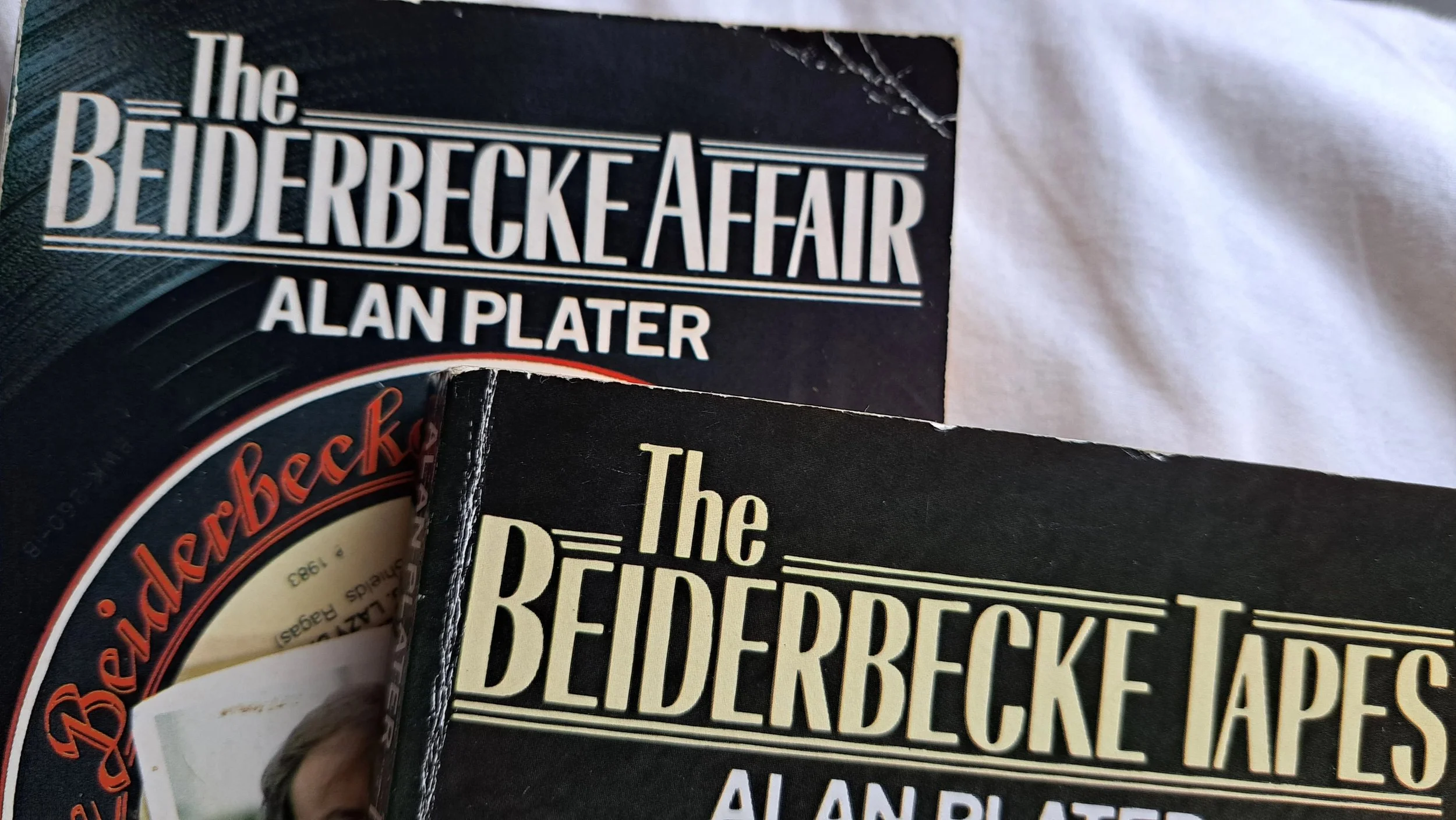
A member of the library, after some inner turmoil, nominated the first Beiderbecke book (‘The Beiderbecke Affair’ by Alan Plater) as a stand-in for the trilogy (followed by‘The Beiderbecke Tapes and ‘The Beiderbecke Connection’). I loved the TV series when I first watched it about fifteen years ago, and after the library member’s recommendation, I picked up two of the three cheaply on abebooks. (The third is a bit more pricey.) The first book came after the first series; the second book came first, and was followed by the TV series. As I rank the TV series so highly, I was pleasantly surprised that Plater had done such a good job translating TV into the book. The second book isn’t as good as the first (it lacks the stand-out characters: Big Al and Little Norm, Sergeant Hobson, Inspector Forrest: “You think I don’t know what a thesis is. Well I do. I’ve got a daughter at a polytechnic and she’s doing one. Great fat bundle of words about sod all.”) but still worth a read, and I’ll be giving the TV series a re-watch at some point soon. 

I’ve got a reading coming up at the Albert Poets in Huddersfield on Wednesday 18th February, along with John Duffy, Jeanette Hattersley, and Mike Farren. Last month, it was a lot of fun reading with fellow guest Bob Beagrie, who read (I say read—Bob performed) his brilliant collection ‘Hand of Glory’ from Yaffle Press, a delirious and riotous telling of the adventures of the only known surviving example of a hand of glory at Whitby Museum. Then online, for Explore York Libraries’ Finding the Words with guests Elizabeth Gibson and Alex McCrickard. Finding the Words is monthly, online, and free! Although Pay What You Can donations for the York library service are greatly appreciated. Their next event is on Thursday 19th February at 7:30pm, and features Jill Abram, Aoife Mannix and Joshua Seigal.

What with readings and online sales, I stocked up on copies of ‘Gain Access’. Speaking of which, the Wordsworth Trust, Dove Cottage reading has been re-scheduled for Saturday 11th April at 1:30pm, in person at the Jerwood Centre, Grasmere. Tickets free. This was postponed because of Storm Amy (we’re back at the start of the alphabet—at this rate, it won’t be long til we get to the end…). Happily this time, co-winner Annina Zheng-Hardy will be there in person (she was joining online last year, but can be there in-person for the new date), as will runners-up Sally Baker and Ilse Pedler. 


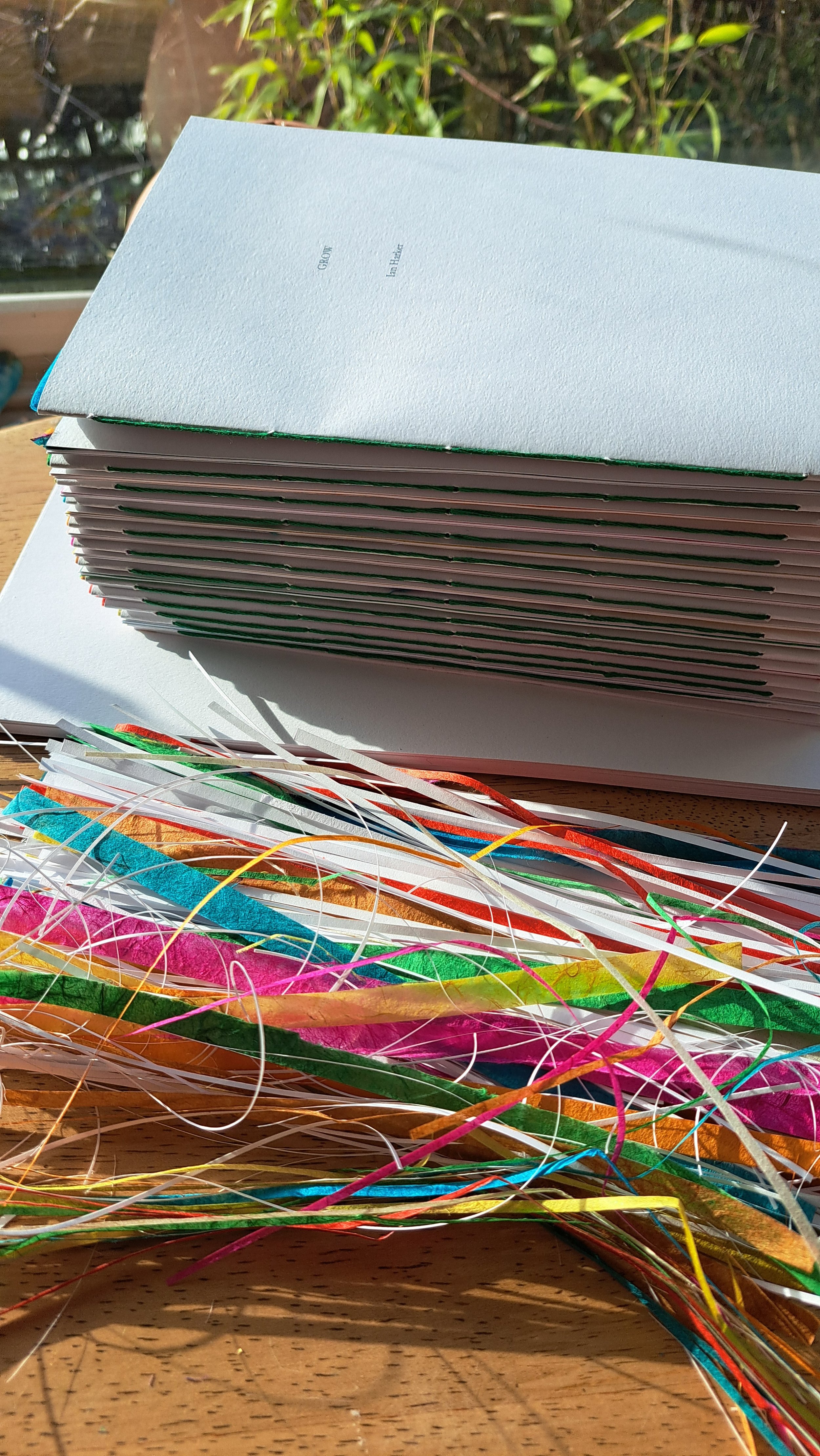
This week, I’ve been working on some hand-made pamphlets. I got into bookbinding after going to a workshop I programmed at the Leeds Library in February last year, run by the fantastic-tutor-and-generally-brilliant Linette from Leeds-based Anachronalia. I can’t recommend her workshops highly enough, especially if, like me, you’re totally new to bookbinding. More workshops with Linette coming up at the Leeds Library later in the year. It seemed logical to use what I’m learning to make some poetry pamphlets. ‘Grow’ is a sequence based on the life-cycle of the cannabis plant; an extended riff on getting stoned. I’m pleased with how they turned out. I’ll have them at readings (50 copies signed and numbered!) and will add them to my shop soon.

New blog for 2026

Happy New Year! I hope you're all had chance for some time with family and friends over Christmas, and for some down-time. How's your writing been going? From my experience, the festive period can be a difficult time to read and write, what with all the merry-making. And the two—reading and writing—go hand-in-hand for me: if I'm not reading any poems, I'm almost certainly not writing any. 

I've read some brilliant books this year. Even so, since finding out in early March that ‘Gain Access’ was going to be published, I've been in editing and promoting mode. Speaking of which, I've got two readings coming up in January:

Under the Lobby Lights, in person at The Lobby 1867, Wakefield, Wednesday 14th January, from 7:30pm, with Bob Beagrie. Email underthelobbylights@gmail.com to request an open mic slot. 

and

Finding the Words, online on Thursday 22nd January, 7pm to 8pm, with Elizabeth Gibson and Alex McCrickard - free tickets here: https://www.tickettailor.com/events/exploreyorklibrariesandarchives/1942861

I’m also working on readings later in the year, including the date for the re-arranged event at Dove Cottage, Grasmere, which had to be postponed due to a storm; and a possible reading in Ireland. If you’re an organiser of a poetry event and are looking for readers, give me a shout. You can read more of my work in the ‘Poems’ section of this website.

On average, I write around 50 poems a year, and 2025 is on a par with that; however, I went on a writing retreat in early December on the East Coast, and I found those four days really productive—bumped up my numbers a lot. 

I'm not normally one for ‘morning pages’. I know lots of writers find them hugely helpful—writing whatever comes into your head or from using a prompt as early as you can after you wake up to make the most of the fuzzy ‘dream state’—and it can be especially useful if you're raising a family or caring for someone or working crazy hours. But normally all I can manage pre-9am is downloading bus tickets. 

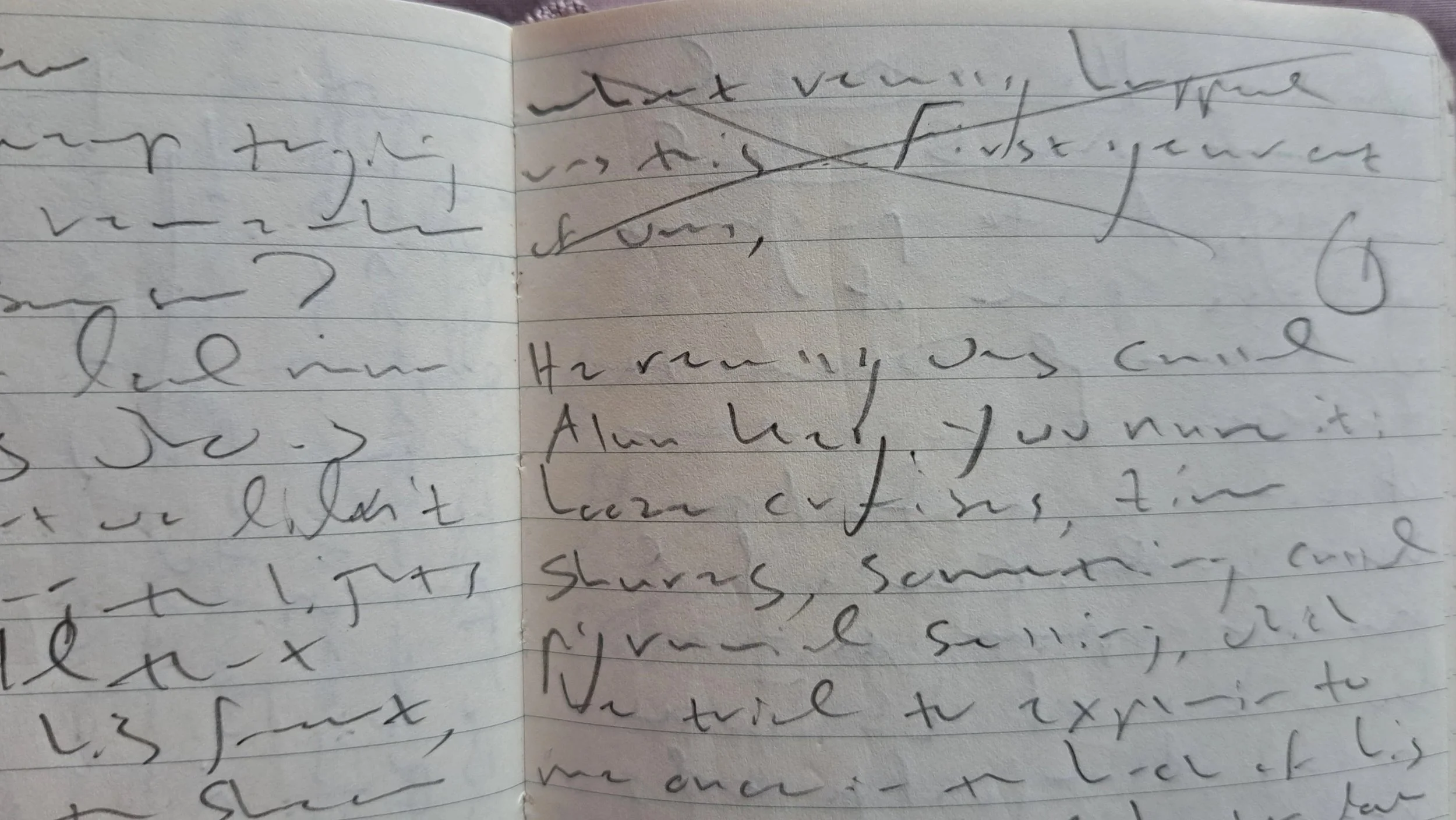
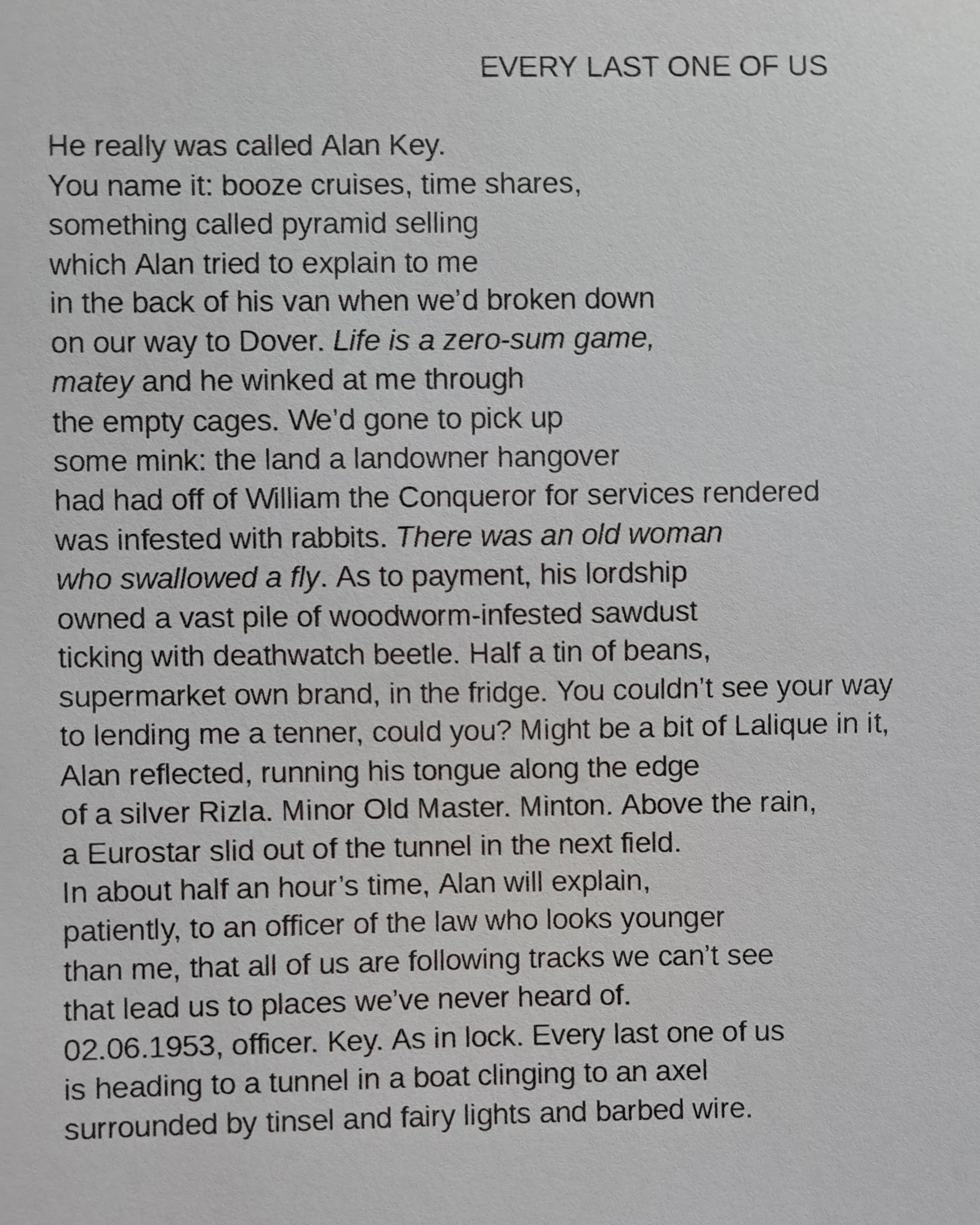
But one morning I used the prompt (“What really happened was this…”) and I started with a sentence “First year out of uni,”. I think the kettle then boiled and as I was getting up, out of nowhere (thank you, fuzzy morning brain) came the phrase “He really was called Alan Key”. Then came a poem, featuring one of Alan's escapades, including his side-kick (fresh out of uni). They're off to Dover to pick up a consignment of Mink.

Let me introduce you to Alan—although I'm just getting to know him myself. 

I've got 10 Alan poems as of today. He's emerging as a sort of Northern Lovejoy, without the specialism in antiques. Or maybe Big Al from the Beiderbecke Affair would be more accurate. Hope you enjoyed the poem. I'm looking forward to finding out more about Alan in 2026. 

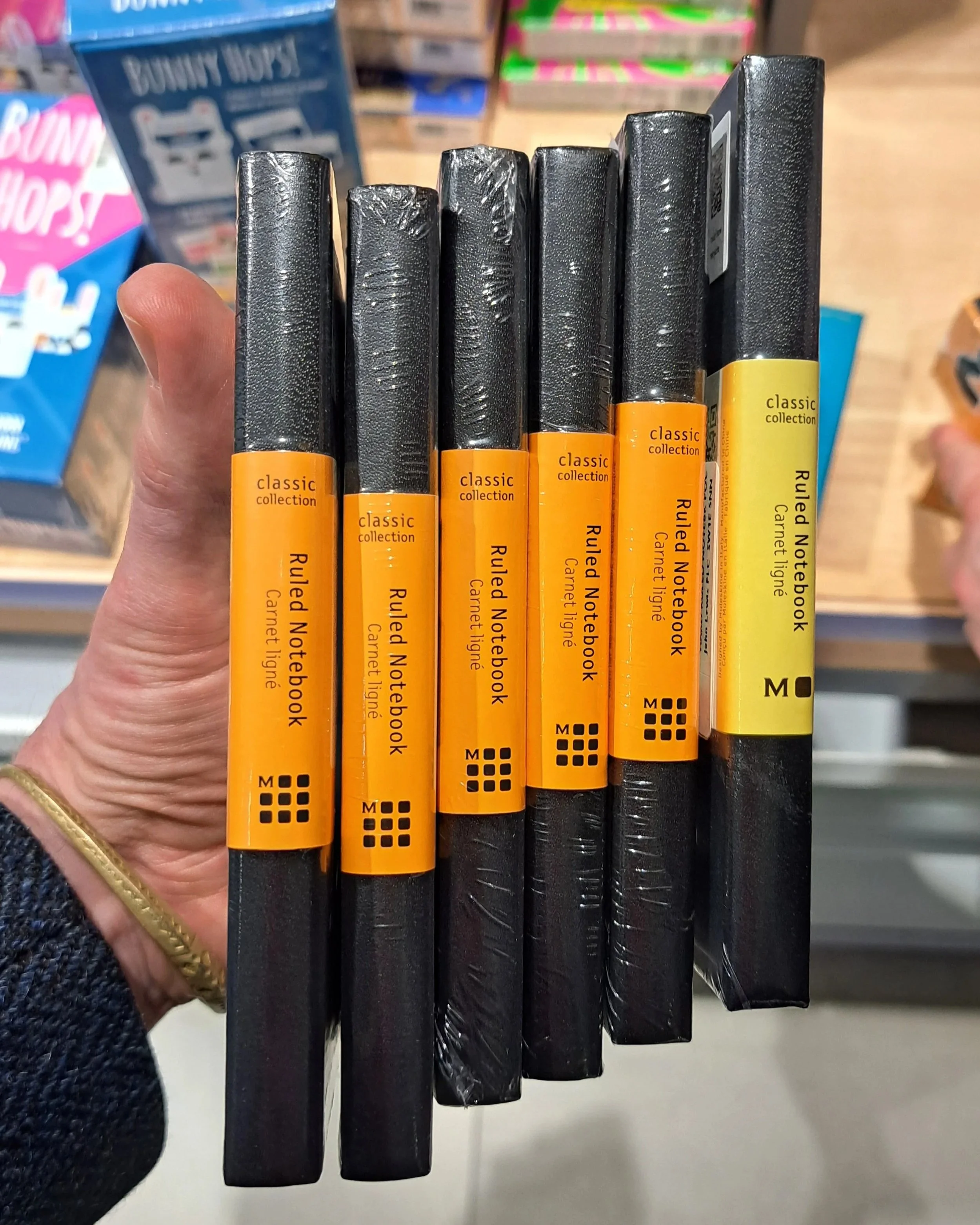
Speaking of writing. I'm a sucker for Moleskines, and have exclusively used black hardback Moleskine notebooks since 2003. Personally, it's really important to write by hand—I can't be doing with writing a new poem on a computer or my phone unless I'm caught in a notebookless-emergency. A chance discovery in John Lewis in the sales was six of the buggers reduced to £9.25 each. They're normally £17.99, so I snaffled three years worth of notebooks and saved fifty-odd quid.

But, as I say, no writing for me unless I'm reading. I'm looking forward to John McCulloch's new poetry collection ‘Crowd Voltage’, coming through Bloodaxe in March. I came across ‘Reckless Paper Birds’ three years ago, and loved it so much I went out and bought ‘Panic Response’ within a week, which is also excellent. There's a lot of joy to be found in the world through his eyes, and we need more of that.

'Gain Access' launch & readings

I was completely bowled over to have my collection of poems ‘Gain Access’ chosen, along with Annina Zheng-Hardy, as one of the winners of the 2025 Book & Pamphlet Competition, run by the poetry Business and judged by Kim Moore.

‘Gain Access’ is a collection of poems based on my time working in social housing in Leeds.

Kim Moore said: ““I’ve always loved poems about work, but I’ve never read anything quite like this. Written from the viewpoint of a social housing officer, we get an insight into the emotional toll it takes to do a job where you want to help people but instead become part of an under-resourced system that is often casually cruel and fails the people it should be protecting. These poems are full of humour, keen observation and insight about society and our roles within it.”

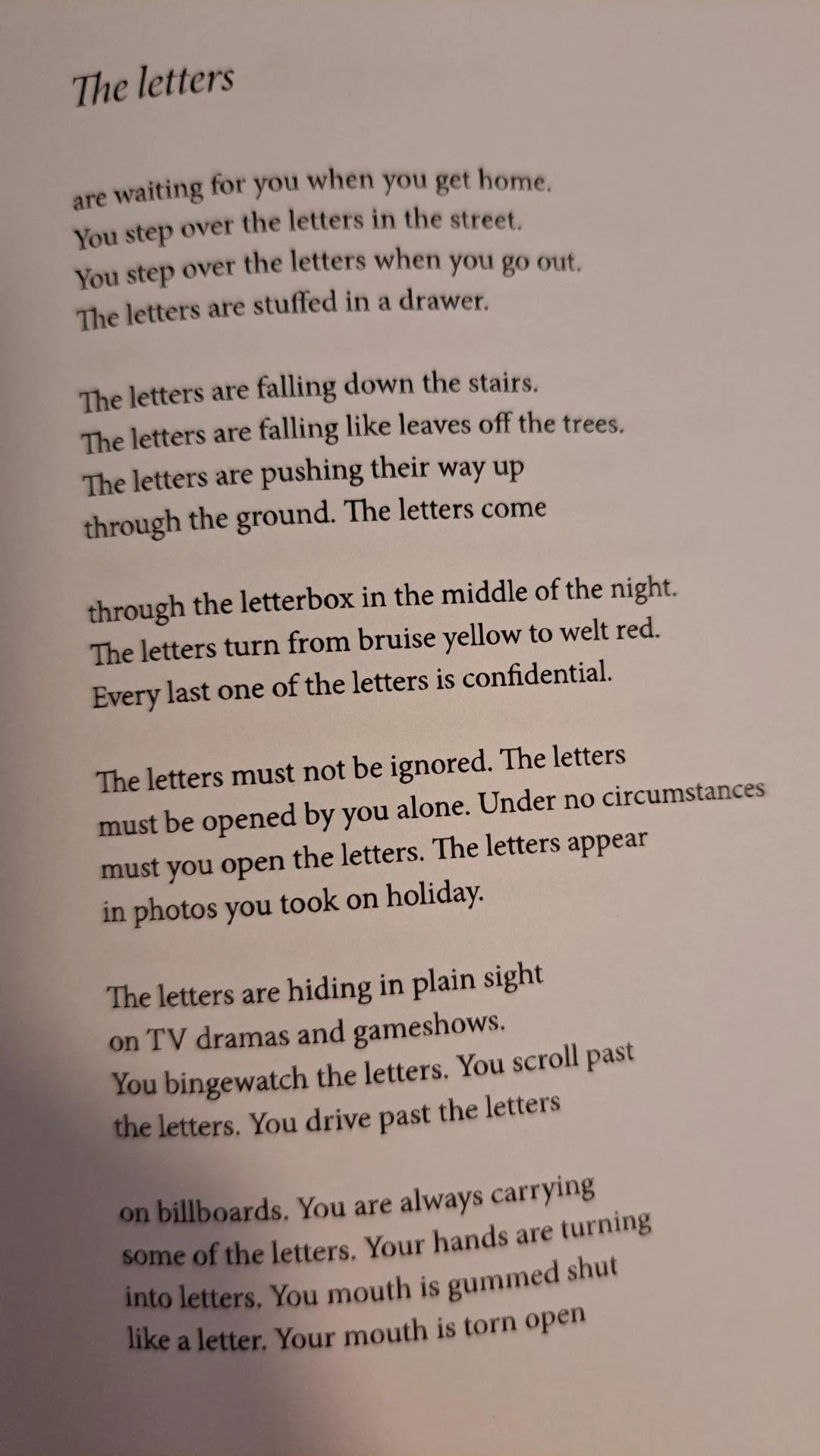
Here’s a poem from the collection.

‘Gain Access’ launches at the Wordsworth Trust’s Jerwood Centre, Dove Cottage, on Saturday 4th October, at 2pm. Tickets are free, and are available here. Junners-up from the competition Ilse Peddler and Sally Baker will also be reading.

I’ll be reading at a celebration of the Poetry Business’s brilliant The North magazine, which has its 40th birthday this year. That’s on Saturday 18th October, at 3:30pm, and tickets are £12/8. This is part of the poetry day at Ilkley Lit Fest - make a day of it if you can!

Then there’s a launch in Leeds on Saturday 25th October, also at 2pm, with two special guests (to be announced soon!) and MC Joe Williams.

A Cloud of Witnesses: discovering the 'mollies' of queer London

On 9th May 1726, three men—William Griffin, Thomas Wright, and Gabriel Lawrence—were hanged at Tyburn in London for (as the courts and newspapers invariably put it) the abominable crime of sodomy.

They had been arrested, along with forty or fifty other men, in a raid on a queer space—a ‘molly house’ run by Margaret Clap. Mrs Clap had—according to reports at the trial—filled her premises in Holborn with beds for the convenience of her customers. One newspaper reports:

There were 8 or 9 of them in a large Room, one was playing upon a Fiddle, and others were one while dancing in obscene Postures, and other while Singing baudy Songs, and talking leudly, and Acting a great many Indecencies. 

There were many such ‘molly houses’ across the city. One writer estimates that there were more queer venues in London in the Eighteenth Century than there were in the 1950s. But there were plenty of trials, too. The Buggery Act of 1533 (created in a sort of post-Brexit legislative shake-up after Henry VIII's break with the Catholic Church) made sodomy a crime punishable by death. This was the act under which gay men in the Eighteenth Century were prosecuted.

I stumbled on this subject a few years ago, while researching my family tree. I was looking for any references in old newspapers to a man I thought I might be distantly related to. He lived in London, which none of my other ancestors did; and I wanted to find any evidence of him moving down from the north of England. No joy. But what I did find was an account of him being arrested on suspicion of committing ‘the abominable crime of sodomy’ in a ‘necessary house’ in the capital. As it turned out, I'm not related to him, but I wanted to see if there were any other such trials from around the same time. 

There were plenty. Cottaging has a long history, and so do homophobic laws. A typical report, from the same year as the raid on Mrs Clap’s, reads:

Yesterday at Guildhall two Men were convicted of attempting to commit the detestable Sin of Sodomy; and were sentenced to stand in the Pillory; the one in the Minories near Aldgate, and the other in Smithfield.

Some of the accused were acquitted. Some where fined and imprisoned. Many were made to ‘stand in the pillory’—a hideous punishment in itself, which killed at least one man convicted of sodomy.

These reports stayed in the back of my mind. I wanted to use the material in a poem. Working at the Leeds Library (surrounded by historical material, including Georgian newspapers) renewed my interest, and in September 2023 I started looking again for reports relating to trials of gay men in Eighteenth Century London. 

I went back to the newspaper reports. They range from reports of arrests and trials to bile-filled letters to the editor and gossip. 

Then I found the Proceedings of the Old Bailey. All surviving records from trials at the Old Bailey from 1674 to 1913 have been made available online, not just digitised, but transcribed and searchable. You can search by offence, including ‘sodomy’. How trials were recorded varies; but for the period I was interested in, a lot of detail is included—witness statements, sometimes full verbatim minutes. These records contain the most detail, and sometimes we hear the voices of the men themselves—the ‘accused’.

These men come alive on the page. We can hear their voices—hear them singing at Mother Clap’s, hear them in the dock defending themselves, hear what they said as they were apprehended. One man, standing with his lover before a judge, says: “This Imprisonment has almost cost me my Life; I have almost lost my Limbs, my Legs are swelled, and my Feet almost numbed and dead; so that if I was to lie as much longer I should be dead; as to being disguised, I have lost my Clothes and Linnen, or I would not have presumed to have waited on your Lordshipin this Pickle.” They were found guilty and imprisoned and made to stand in the pillory.

But most of the voices are those of the persecutors, not the men themselves; and I knew that any poem I wrote would have to develop a voice or voices that spoke against the voices in the archive—contradicting them, developing what’s largely absent and inferred: a lively and joyful queer community having fun and having sex—lots and lots of sex.

The poem is called ‘A Cloud of Witnesses’. It contains material from the newspapers and the courts—the title is a phrase used to describe the number of people who gave evidence against one accused man. But woven between and against and around the cloud of witnesses is another voice, made of an amalgamation of voices, speaking for itself, speaking against the salacious, shrieking bigotry of murderous officialdom. As one man said as he was apprehended with his breeches down with another man against—as it goes—some church railings, “Can't I use my own body?”

I read excerpts from the poem at Rhubarb at Triangle in Shipley earlier this year; and at Word Space in Horsforth. But the poem continues to develop, and the material keeps coming. The picture of queer London gets richer and richer.

‘Out of Time’ - The Leeds Poetry Festival competition 2023

The Leeds Poetry Festival runs from Monday 10th - Sunday 16th July, staging an amazing programme of poetry in the spectacular Left Bank. The full programme is here, including the second performance of the Poetry Supertram (containing 100% more Lionel Ritchie than our original performance at Chapel FM last year) with Joe Williams, William Thirsk Gaskill and Irene Lofthouse. Don’t miss Supertram on Sunday!

The annual competition anthology ‘Out of Time’ was launched on Monday 10th July, and I was delighted to have a poem on the longlist. The shortlisted poems we heard at the launch were all excellent, and I’m looking forward to reading the rest of the anthology; all the more so because the cover is stunning. It’s designed by Fran Haslam, whose work you can find on Etsy here.

Responding to the theme ‘Out of time’, the poem is an exploration of my family’s history through a single object - my granddad Harry’s wrist watch. The poem references his time as a printer at Waddingtons (we were never short of board games…), as well as the fact that his own grandfather had been a policeman in Leeds.

Congratulations to everyone in the anthology, and to the competition winners, and get down to Left Bank for the festival this week!