The Poetry Business Book & Pamphlet Competition Winners’ launch at Wordsworth Grasmere is a week on Saturday (11th April 2026), and I’ve just sold out of my last of the second re-print of ‘Gain Access’. The Poetry Business is pretty much out, too, so this will be the book’s third re-print. I’ve ordered another 100 copies for readings I’ve got coming up in Wexford, Wakefield, and into the summer. The response to the pamphlet has been fantastic, and I’m really looking forward to reading from it over the coming weeks.

Are you a poet living in the North of England? Word Up North, who bring us Ilkley Lit fest, have opened applications for their 2026 New Northern Poets. The scheme is wonderful - like being a poet in residence at a festival, but with a group of other poets. You work with a mentor, and alongside being commissioned to write new work, there are profile-building opportunities, networking, and workshops! The deadline is 30th April 2026, and the application process is accessible, with a sample of poems and a covering letter all you need to put yourself forward. Full information on the link.
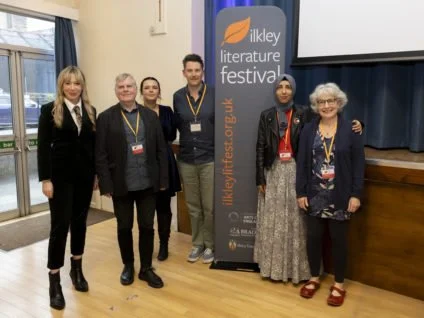
The New Northern Poets 2024
Competitions, eh? Every so often, a competition winner seems to stir debate online, and the most recent example is the National Poetry Competition 2025, specifically its winner Partridge Boswell with the poem ‘The Gathering’. (You can read Partridge’s poem, along with the other placed poems and more besides, on the Poetry Society’s website.)
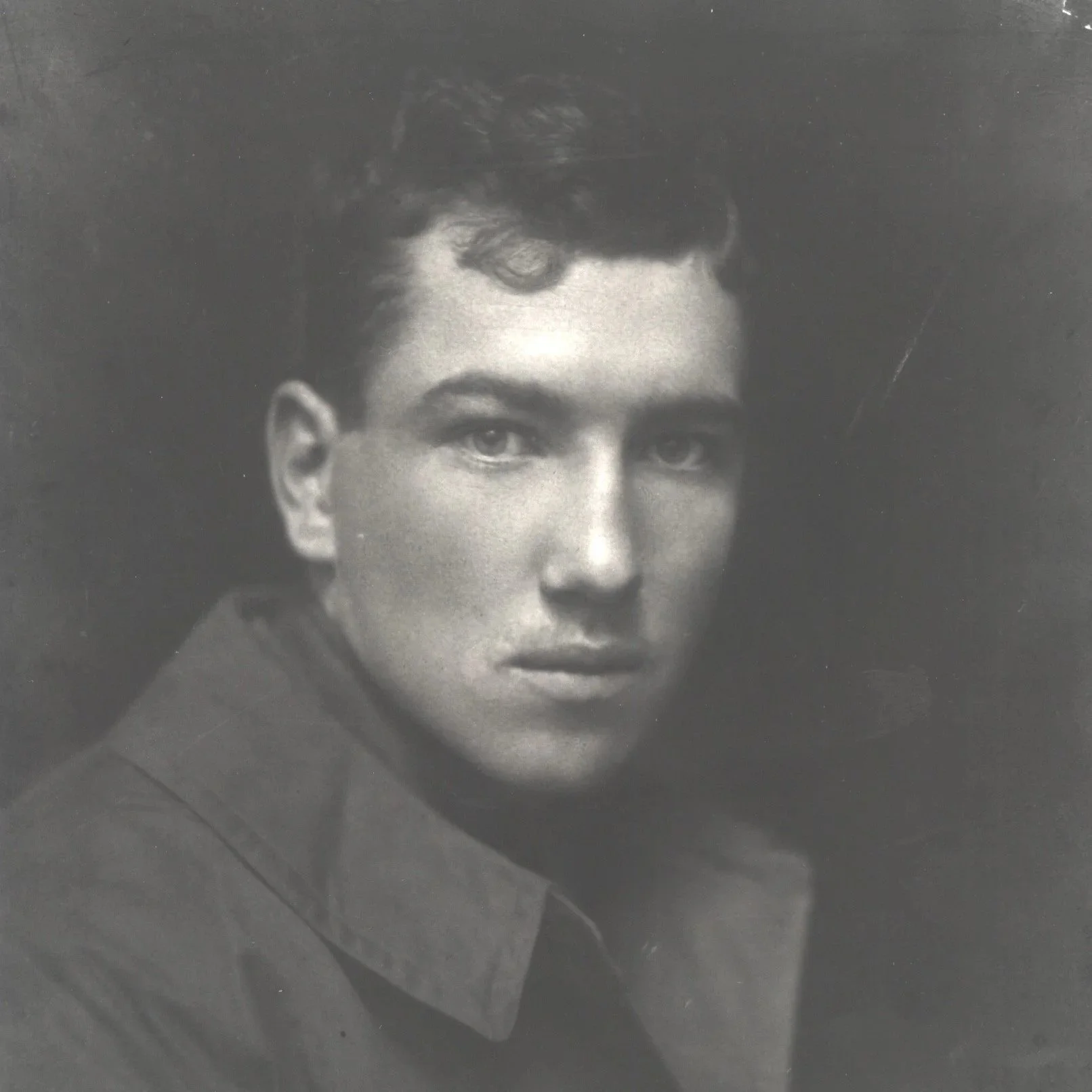
Robert Graves
My friend Anna was fond of quoting (or so she said) Robert Graves - a poetry hero of mine - in saying that a poem should make prose sense. I haven’t been able to find that reference, but Anna read more books in her 97 years (and remembered more about them) than I ever shall, so I trust her attribution. I’m not sure I agree with it, though, or not entirely. Some poems must make prose sense, if those are the poems you like to read and like to write. Plenty don’t, and are all the better for it.
One of the purposes of competitions is to stimulate debate of precisely the kind that’s happened after the announcement of the results of the most recent National. One of the qualities I like about a poem is when there is a generosity to a poem that seems to convey a like and a respect of the person who is, notionally at least, reading it. If a poem is ‘difficult’, it can come across as too clever by half. Certainly, there are parts of Partridge’s poem I can’t yet (at any rate) explain. Take this line, for instance: “You whistle a living / wake as tacit prayer gestates to hunger-strike.”
I’ve not come back to plenty of poems because I thought it was…well…too clever by half. But there’s something about ‘The Gathering’ that communicated to me a generosity that made me well-disposed to the poem, and made me want to read it again and again; and I’ll continue to do so. However not-immediately-obvious a poem may be (I hesitate to use the word ‘obscure’), that quality, however the writer gets it across (something to do with the voice and the tone), can take you a long way. And with so much tripe served up for us that’s designed to be understood and then forgotten in 13 seconds, another of the things poems can do for us is to make our brains work. As long as they inspire us to the work, and ‘The Gathering’ inspired me. Congratulations to all the winners, shortlitees and longlistees, and well done to the judges for reading (let alone choosing from) over 21,000 entries.